
The human brain processes information constantly, yet understanding how much mental effort we’re expending in real-time remains one of neuroscience’s most fascinating challenges. 🧠

Cognitive load detection has emerged as a transformative field that bridges neuroscience, artificial intelligence, and human performance optimization. As we navigate increasingly complex work environments, educational settings, and digital landscapes, the ability to measure and respond to mental strain in real-time offers unprecedented opportunities for enhancing productivity, learning outcomes, and overall wellbeing.
This revolutionary approach to understanding the human mind isn’t just about collecting data—it’s about creating intelligent systems that adapt to our cognitive states, preventing burnout before it happens, and optimizing experiences when our minds are most receptive. From classrooms to boardrooms, from surgical theaters to training simulations, cognitive load detection is reshaping how we interact with technology and each other.
🔬 The Science Behind Cognitive Load: Understanding Mental Capacity
Cognitive load theory, first developed by educational psychologist John Sweller in the 1980s, provides the foundation for understanding how our working memory processes information. Working memory, with its limited capacity, can only handle a finite amount of information simultaneously—typically between five to nine discrete elements at any given moment.
When we exceed this capacity, cognitive overload occurs, leading to decreased performance, errors, and mental fatigue. Conversely, when cognitive load is too low, we experience boredom and disengagement. The sweet spot—optimal cognitive load—represents that perfect balance where learning and performance peak.
Modern cognitive load detection goes beyond traditional self-reporting methods by utilizing objective physiological and behavioral markers. These include:
- Eye-tracking metrics such as pupil dilation, blink rate, and fixation patterns
- Electroencephalography (EEG) brain wave patterns indicating mental effort
- Heart rate variability and other cardiovascular indicators
- Facial expression analysis and micro-expressions
- Task performance metrics and interaction patterns
- Speech analysis including pace, tone, and linguistic complexity
The integration of these multiple data streams through machine learning algorithms creates robust models that can detect cognitive states with remarkable accuracy, often predicting mental overload before individuals consciously recognize it themselves.
⚡ Real-Time Detection Technologies: From Laboratory to Real World
The transition from controlled laboratory settings to real-world applications represents one of the most significant achievements in cognitive load research. Advanced sensor technologies, miniaturization, and sophisticated algorithms have made continuous, unobtrusive monitoring possible in everyday environments.
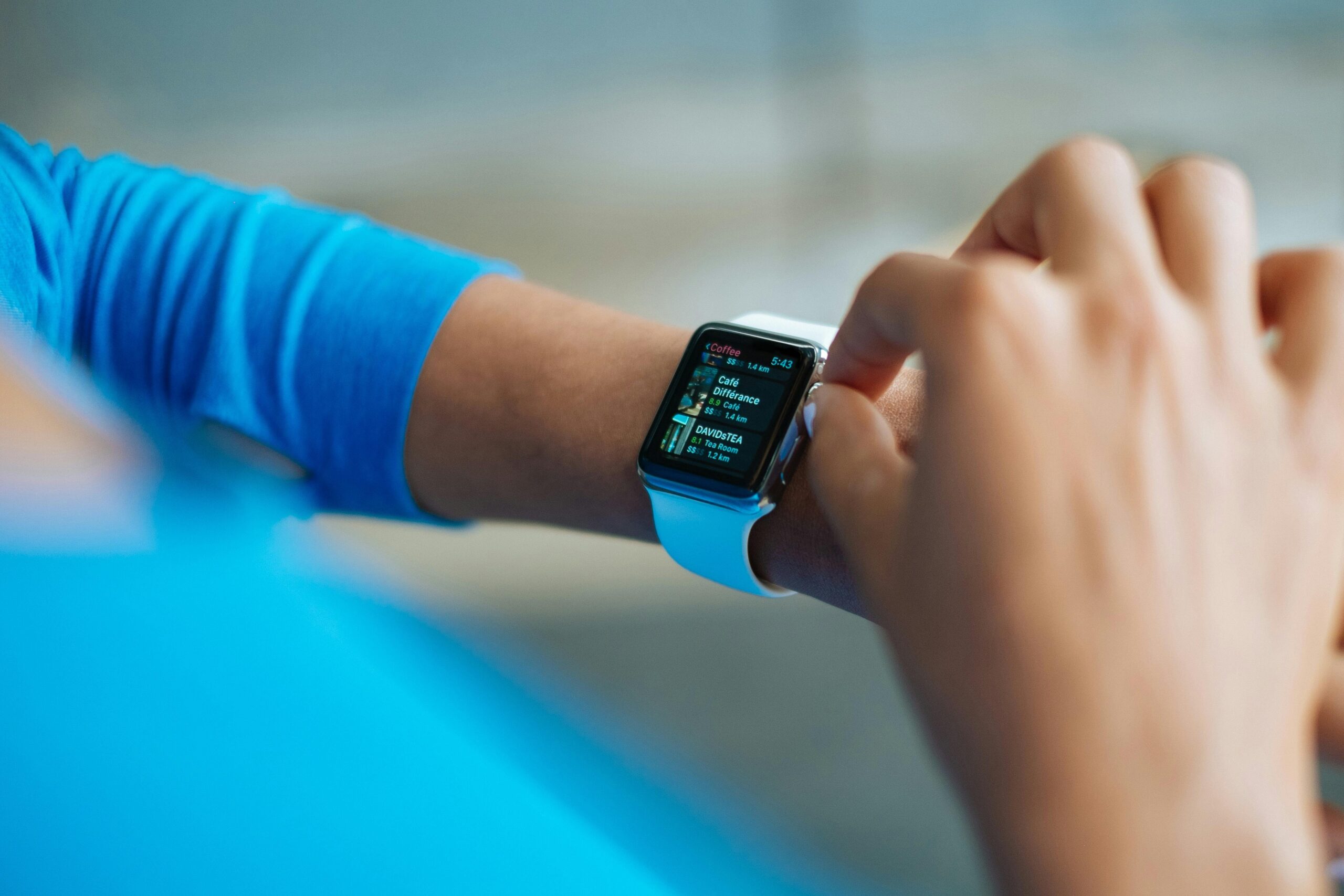
Wearable devices now incorporate multiple sensors that track physiological indicators throughout the day. Smart glasses with embedded eye-tracking capabilities can monitor visual attention and cognitive engagement during meetings, while discreet EEG headbands provide continuous brain activity monitoring without the cumbersome equipment traditionally required in research settings.
Computer vision systems analyze facial expressions and body language through standard webcams, making cognitive load assessment accessible through existing hardware. These systems detect subtle changes in facial muscle tension, eye movements, and posture that correlate with mental strain.
Machine Learning: The Intelligence Behind Detection
Artificial intelligence and machine learning algorithms serve as the brain behind cognitive load detection systems. These models learn individual baseline patterns and can distinguish between different types of cognitive load—intrinsic load inherent to task complexity, extraneous load from poor design or distractions, and germane load that supports learning and skill development.
Deep learning neural networks process multimodal data streams simultaneously, identifying complex patterns that would be impossible for human observers to detect. These systems continuously improve through ongoing data collection, becoming more accurate and personalized over time.
📚 Transforming Education: Personalized Learning at Scale
Educational institutions represent one of the most promising application areas for real-time cognitive load detection. Traditional one-size-fits-all teaching approaches fail to account for the diverse cognitive capacities and learning speeds of individual students.
Intelligent tutoring systems equipped with cognitive load detection capabilities can dynamically adjust content difficulty, pacing, and presentation format based on real-time student mental states. When the system detects cognitive overload, it can automatically simplify explanations, provide additional examples, or suggest breaks. When students show signs of under-stimulation, the system increases challenge levels to maintain optimal engagement.
This adaptive approach has demonstrated significant improvements in learning outcomes across various subjects and age groups. Studies show that students using cognitive load-adaptive systems retain information more effectively and report higher satisfaction with their learning experiences.
Virtual Reality and Immersive Learning Environments
Virtual reality educational platforms leverage cognitive load detection to create perfectly calibrated immersive experiences. By monitoring learner mental states, these systems adjust environmental complexity, information density, and interaction requirements to maintain optimal cognitive engagement throughout training sessions.
Medical students practicing surgical procedures in VR environments benefit from systems that recognize when they’re mentally overwhelmed and provide just-in-time guidance or simplification. Similarly, pilot training simulations adjust scenario complexity based on trainee cognitive capacity, ensuring effective skill development without dangerous overload situations.
💼 Workplace Revolution: Optimizing Professional Performance
Modern workplaces increasingly recognize that employee wellbeing and productivity are intrinsically linked. Cognitive load monitoring provides organizations with powerful tools to create healthier, more productive work environments while respecting individual privacy and autonomy.
Enterprise software platforms now incorporate cognitive load analytics that help managers understand team capacity without invasive surveillance. These systems identify workflow bottlenecks, excessive meeting loads, and task allocation inefficiencies that contribute to employee burnout.
| Application Area | Cognitive Load Benefit | Measured Impact |
|---|---|---|
| Software Development | Code review optimization | 30% reduction in critical bugs |
| Customer Service | Call routing intelligence | 25% improvement in resolution rates |
| Healthcare | Shift management optimization | 40% decrease in medical errors |
| Creative Work | Distraction management | 45% increase in deep work sessions |
Meeting Intelligence and Collaboration Enhancement
Video conferencing platforms are beginning to integrate cognitive load detection to improve virtual meeting effectiveness. These systems can identify when participants experience information overload, signaling presenters to slow down, summarize key points, or incorporate breaks.
Collaborative workspaces use cognitive load data to optimize information presentation, reducing cognitive burden from poorly designed interfaces and overwhelming notification systems. Smart scheduling assistants consider individual cognitive capacity patterns when arranging meetings and deep work blocks.
🏥 Healthcare Applications: Precision Medicine for Mental Wellness
The healthcare sector has embraced cognitive load detection for both clinical assessment and treatment optimization. Mental health professionals utilize these technologies to objectively measure cognitive function in patients with attention disorders, anxiety, depression, and neurodegenerative conditions.
Real-time cognitive monitoring enables early detection of mental health deterioration, allowing for timely intervention before crises occur. Patients with ADHD benefit from systems that provide immediate feedback about their cognitive states, helping them develop better self-regulation strategies.
Cognitive rehabilitation programs for stroke survivors and traumatic brain injury patients leverage adaptive systems that adjust therapy difficulty based on real-time cognitive capacity measurements, accelerating recovery while preventing frustration and setbacks.
Surgical Performance and Patient Safety
Operating rooms equipped with cognitive load monitoring systems for surgical teams have demonstrated remarkable improvements in patient safety outcomes. By detecting early signs of surgeon cognitive fatigue or overload, these systems can trigger protocols for additional support, breaks, or procedure modifications.
Anesthesiologists benefit from cognitive load-aware alerting systems that prioritize critical information based on current mental capacity, reducing alarm fatigue and improving response to genuine emergencies.
🎮 Gaming and Entertainment: Adaptive Experiences
The gaming industry has pioneered consumer-facing applications of cognitive load detection, creating adaptive gameplay experiences that maintain optimal challenge levels for individual players. Dynamic difficulty adjustment systems monitor player cognitive states and modify game parameters to keep experiences engaging without causing frustration.
These systems recognize when players enter flow states—that optimal psychological condition where challenge and skill perfectly balance—and work to maintain those conditions for extended periods, maximizing enjoyment and engagement.
Streaming platforms are exploring cognitive load detection to optimize content recommendations, identifying when viewers are mentally fatigued and suggesting lighter content, or recognizing periods of high cognitive availability for more demanding, thought-provoking material.
🔒 Privacy, Ethics, and Responsible Implementation
As cognitive load detection technologies become more prevalent, critical questions about privacy, consent, and ethical use demand careful consideration. The deeply personal nature of cognitive state data requires robust protection frameworks and transparent implementation practices.
Responsible deployment of these technologies must prioritize individual autonomy and informed consent. Users should understand what data is collected, how it’s analyzed, who has access, and for what purposes. Opt-in approaches rather than default surveillance respect individual agency while still providing benefits to those who choose to participate.
Organizations implementing cognitive load monitoring must establish clear policies preventing misuse. Data should enhance human capabilities and wellbeing rather than serve as tools for exploitation, excessive productivity demands, or discriminatory practices.
Data Security and Algorithmic Transparency
Cognitive state data represents highly sensitive information requiring stringent security measures. Encryption, anonymization, and secure storage protocols protect against unauthorized access and potential misuse. Individuals should maintain ownership and control over their cognitive data with rights to access, modify, and delete information.
Algorithmic transparency ensures that cognitive load detection systems operate fairly across diverse populations. Regular audits identify and correct biases that might disadvantage certain demographic groups or misinterpret cultural differences in cognitive expression.
🚀 The Future Landscape: Emerging Possibilities and Innovations
The trajectory of cognitive load detection points toward increasingly seamless integration into daily life. Future developments promise even more sophisticated, accurate, and beneficial applications across virtually every domain of human activity.
Brain-computer interfaces currently in development will provide direct neural measurements with unprecedented precision, eliminating the need for proxy measurements through physiological indicators. These technologies will enable thought-based control of devices and environments that automatically adapt to cognitive states.
Artificial general intelligence systems will leverage cognitive load detection to develop genuine empathy and understanding of human mental states, creating more natural, supportive human-AI partnerships. These AI assistants will recognize when we need help, when we want to be left alone, and how to communicate most effectively based on our current cognitive capacity.
Smart Environments and Ambient Intelligence
Future smart homes and offices will incorporate ambient cognitive load monitoring, adjusting lighting, temperature, sound levels, and information presentation based on occupant mental states. These environments will proactively support cognitive wellness, creating optimal conditions for whatever activities occupants pursue.
Automobiles equipped with cognitive load detection will enhance driver safety by recognizing mental fatigue or distraction and providing appropriate alerts, assistance, or even autonomous intervention when necessary. Navigation systems will adjust route complexity and information delivery based on driver cognitive capacity.
🌟 Realizing Human Potential Through Cognitive Awareness
The revolution in real-time cognitive load detection represents more than technological advancement—it signals a fundamental shift in how we understand and optimize human potential. By making invisible mental processes visible and actionable, these technologies empower individuals and organizations to work smarter rather than simply harder.
The promise of cognitive load detection lies not in creating superhuman capabilities but in helping ordinary people perform at their natural best more consistently. By preventing cognitive overload, reducing unnecessary mental strain, and optimizing challenge levels, these systems create conditions where human intelligence flourishes.
As these technologies mature and become more accessible, the benefits will extend beyond elite professionals and specialized applications to enhance everyday experiences for everyone. Students will learn more effectively, workers will maintain better work-life balance, patients will receive more personalized care, and individuals will develop deeper understanding of their own cognitive patterns and optimal performance conditions.
The journey toward truly intelligent cognitive load detection systems continues, driven by interdisciplinary collaboration among neuroscientists, engineers, designers, and domain experts across countless fields. Each advancement brings us closer to environments and tools that genuinely understand and support human cognition.
Unlocking minds through real-time cognitive load detection isn’t about surveillance or control—it’s about liberation. Liberation from unnecessary cognitive burden, from one-size-fits-all approaches that serve no one well, and from the invisible barriers that prevent us from reaching our full potential. As we continue revolutionizing these technologies, we simultaneously revolutionize our understanding of human capability and our commitment to creating systems that serve human flourishing. ✨
