
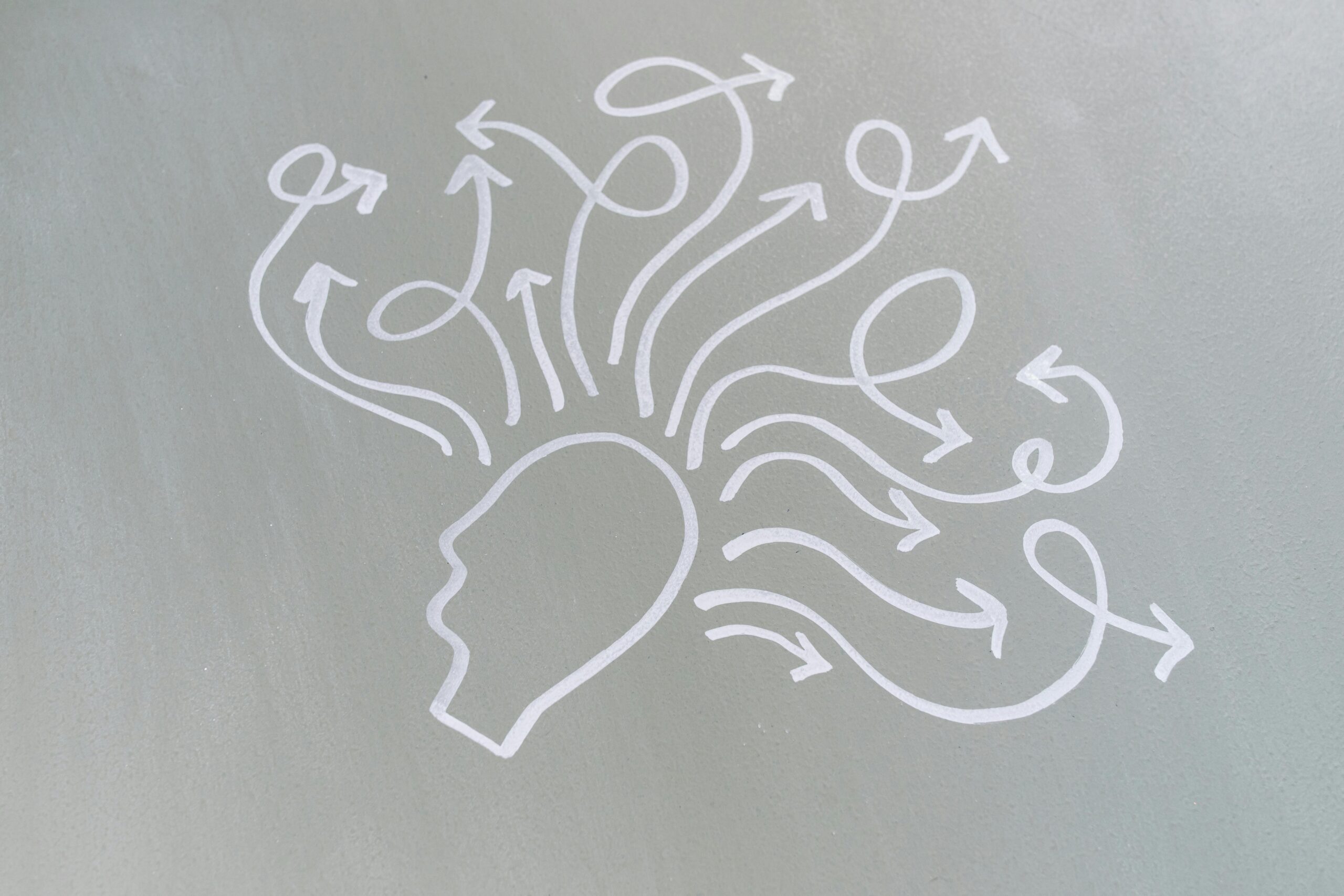
Cognitive strain is an invisible force shaping how we perform, think, and feel. Understanding how to measure and manage this mental load opens powerful pathways to enhanced productivity and well-being.

🧠 The Hidden Language of Mental Fatigue
Our brains constantly emit signals indicating stress, overload, and cognitive exhaustion. These signals—ranging from subtle changes in eye movement to variations in heart rate—provide a window into our mental state. Yet most people navigate through life unaware of these indicators, missing opportunities to optimize their cognitive resources.
Cognitive strain occurs when the demands placed on our working memory exceed its capacity. This phenomenon affects everyone from students cramming for exams to executives making critical business decisions. The consequences extend beyond temporary discomfort, potentially leading to burnout, poor decision-making, and diminished quality of life.
Recent advances in neuroscience and biometric technology have revolutionized our ability to detect and interpret these cognitive signals. By leveraging these insights, we can develop personalized strategies to maintain peak mental performance while safeguarding our psychological health.
Physiological Windows Into Cognitive Load 👁️
The body betrays the mind’s struggles through measurable physiological changes. Understanding these markers provides the foundation for any cognitive strain monitoring system.
Pupillary Response: The Eyes as Mental Workload Indicators
Pupil dilation serves as one of the most reliable indicators of cognitive effort. Research demonstrates that pupils expand proportionally to the difficulty of mental tasks, independent of light conditions. This pupillometric response occurs within milliseconds of increased cognitive demand, making it an excellent real-time indicator.
Modern eye-tracking technology can detect pupil diameter changes as small as 0.1 millimeters. These micro-variations reveal not just overall workload, but also moments of insight, confusion, and mental breakthrough. Athletes, surgeons, and pilots increasingly use pupillometry to identify optimal performance states and recognize early warning signs of cognitive overload.
Heart Rate Variability: The Autonomic Nervous System’s Story
Heart rate variability (HRV) measures the variation in time intervals between consecutive heartbeats. Higher HRV typically indicates better stress adaptation and cognitive resilience, while decreased HRV often accompanies mental fatigue and emotional strain.
Unlike simple heart rate monitoring, HRV analysis provides insight into the balance between sympathetic (fight-or-flight) and parasympathetic (rest-and-digest) nervous system activity. This balance directly influences our capacity for focused attention, creative thinking, and emotional regulation.
Wearable devices now make continuous HRV monitoring accessible outside laboratory settings. By tracking HRV patterns throughout the day, individuals can identify activities, environments, and habits that either deplete or replenish their cognitive resources.
Electroencephalography: Direct Brain Activity Measurement
EEG technology captures electrical activity across the brain’s surface, revealing patterns associated with different cognitive states. Specific frequency bands correlate with focused attention (beta waves), creative flow (alpha waves), and deep processing (theta waves).
Consumer-grade EEG headsets have democratized brain activity monitoring, though they lack the precision of medical-grade equipment. Despite limitations, these devices provide valuable feedback about attention levels, meditation depth, and sleep quality—all factors influencing cognitive strain.
🔬 Advanced Behavioral Indicators of Mental Overload
Beyond physiological measures, our behavior reveals cognitive strain through patterns we can learn to recognize and quantify.
Task Performance Degradation
Cognitive strain manifests most obviously through declining performance. Response times lengthen, error rates increase, and problem-solving efficiency diminishes. Sophisticated performance monitoring systems track these metrics across multiple dimensions, creating comprehensive cognitive load profiles.
Subtle performance changes often precede conscious awareness of fatigue. Automated systems can detect these early warning signs—such as increased mouse movement irregularity or typing pattern changes—and prompt interventions before significant performance loss occurs.
Communication Pattern Analysis
The way we communicate shifts under cognitive strain. Written messages become shorter and less complex. Speech patterns show increased pauses, filler words, and simplified vocabulary. Email response times lengthen, and communication becomes more transactional and less nuanced.
Natural language processing algorithms can analyze these patterns, providing objective measures of cognitive state based on linguistic markers. Organizations are beginning to use these tools to identify teams experiencing unsustainable workloads before burnout becomes critical.
Attention Fragmentation Tracking
Digital distraction represents a major source of cognitive strain. The average knowledge worker switches between applications and tasks dozens of times per hour, creating constant interruption costs that accumulate into significant cognitive burden.
Computer activity monitoring tools track application switching frequency, task duration, and multitasking patterns. This data reveals not just how much we work, but how efficiently we allocate attention—identifying opportunities to reduce unnecessary cognitive load through better work structure.
Integrating Multiple Signal Sources for Comprehensive Assessment 📊
No single indicator tells the complete cognitive strain story. The most powerful approaches combine multiple data streams into integrated assessment frameworks.
Multimodal Data Fusion
Advanced systems correlate physiological measures (HRV, pupil response, skin conductance) with behavioral data (performance metrics, communication patterns, attention allocation) and subjective reports (mood scales, fatigue ratings). Machine learning algorithms identify patterns within this complex data that predict performance capacity and well-being outcomes.
This fusion approach accounts for individual differences in stress response. One person’s cognitive strain might manifest primarily through physiological changes, while another’s appears more clearly in behavioral patterns. Personalized models adapt to individual baseline patterns, improving accuracy over time.
Contextual Intelligence
Understanding cognitive strain requires context. The same HRV reading might indicate healthy engagement during an interesting project or distress during forced overtime. Advanced systems incorporate contextual variables—time of day, task type, social environment, recent sleep quality—to interpret signals accurately.
Calendar integration, location tracking, and activity recognition provide this contextual layer. The result is nuanced understanding that distinguishes productive challenge from harmful overload.
🚀 Practical Applications: From Measurement to Improvement
Extracting cognitive strain signals serves little purpose without actionable applications. The following approaches translate insights into performance enhancement and well-being improvements.
Adaptive Work Scheduling
Cognitive capacity fluctuates throughout the day following circadian rhythms and responding to activity demands. By identifying personal peak performance windows and fatigue patterns, individuals can schedule cognitively demanding work during optimal periods and reserve lower-capacity times for routine tasks.
Some professionals use cognitive load monitoring to implement “biological prime time” scheduling—aligning their most important work with their brain’s natural performance peaks. Others use it to optimize break timing, taking recovery periods before strain accumulates rather than after exhaustion sets in.
Intelligent Workload Management
Organizations implementing cognitive strain monitoring can distribute work more effectively across teams. When systems detect individuals or groups approaching overload thresholds, managers can redistribute tasks, adjust deadlines, or provide additional resources before performance degrades or burnout occurs.
This approach transforms workload management from reactive firefighting to proactive optimization. Rather than waiting for people to report stress or exhibit performance problems, systems provide early warnings enabling preventive intervention.
Personalized Recovery Protocols
Different recovery strategies work better for different people and different types of cognitive strain. Some individuals restore cognitive resources most effectively through physical activity, others through social connection, and still others through solitude and rest.
By tracking which activities most effectively restore cognitive capacity—measured through HRV recovery, subjective energy ratings, and subsequent performance—individuals can develop evidence-based personal recovery protocols. This removes guesswork and optimizes the efficiency of recovery time.
Training Cognitive Resilience Through Biofeedback 🎯
Beyond reactive management, cognitive strain signals enable proactive resilience training.
Real-Time Cognitive Load Biofeedback
Biofeedback systems provide immediate information about cognitive state, enabling users to experiment with techniques for managing mental load. For example, a system might display current cognitive load level while users try different stress management techniques, immediately revealing which approaches most effectively reduce strain.
This accelerated learning process helps individuals develop personalized cognitive control strategies. Rather than relying on generic advice, people discover through direct experimentation what works specifically for their neurology and circumstances.
Progressive Stress Exposure Training
Like physical training builds strength through progressive overload, cognitive resilience develops through controlled exposure to mental challenges. Monitoring systems enable precise calibration of cognitive difficulty—providing challenges that stretch capacity without causing harmful overload.
Athletes use this approach to develop mental toughness and maintain performance under pressure. Professionals apply similar principles to build capacity for sustained focus and effective decision-making during high-stakes situations.
⚠️ Ethical Considerations and Privacy Protection
The power to extract cognitive strain signals raises important ethical questions, particularly in organizational contexts.
Consent and Autonomy
Cognitive monitoring must be voluntary and transparent. Individuals deserve full information about what data is collected, how it’s analyzed, and who has access. The purpose should be personal empowerment and well-being, not surveillance or performance punishment.
Organizations implementing these systems must establish clear policies ensuring data serves employee interests rather than becoming tools for invasive monitoring or unreasonable productivity demands.
Data Security and Privacy
Cognitive strain data reveals intimate details about mental state, emotional patterns, and personal vulnerabilities. Protecting this information requires robust security measures and strict access controls. Data should be encrypted, stored securely, and never shared without explicit consent.
Privacy-preserving approaches—such as on-device processing that never transmits raw data—represent important technical solutions for these concerns.
The Future Landscape of Cognitive Enhancement 🔮
Emerging technologies promise even more sophisticated cognitive strain assessment and management capabilities.
Artificial Intelligence and Predictive Modeling
Machine learning algorithms will increasingly predict cognitive strain before it occurs, analyzing patterns across time to identify emerging risk factors. These systems might recognize that a particular combination of sleep deficit, meeting density, and project deadline typically leads to overload three days later—enabling preemptive intervention.
AI assistants may eventually serve as cognitive load managers, automatically filtering information, scheduling tasks, and suggesting interventions based on real-time assessment of mental capacity.
Brain-Computer Interfaces
Next-generation neural interfaces will provide unprecedented insight into cognitive state. As these technologies mature and become less invasive, they may enable cognitive strain management with precision currently impossible.
These advances raise profound questions about human enhancement, fairness, and the nature of cognitive work itself—challenges society must address as technologies evolve.
Building Your Personal Cognitive Monitoring System 🛠️
You don’t need laboratory equipment to begin extracting useful cognitive strain signals. Start with accessible approaches and increase sophistication over time.
Foundation: Self-Awareness and Subjective Tracking
Begin by developing awareness of your own cognitive state. Periodically rate your energy level, focus quality, and mental fatigue on simple scales. Track these ratings alongside information about sleep, work activities, and lifestyle factors. Patterns will emerge revealing your cognitive rhythms and strain triggers.
Entry-Level Technology Integration
Consumer wearables provide accessible entry points. Fitness trackers monitoring HRV, smartwatches tracking activity and stress, and focus applications measuring task performance all generate relevant data. The key is consistent collection and thoughtful analysis rather than expensive equipment.
Advanced Implementation
For those wanting deeper insight, consider specialized tools like eye-tracking systems, consumer EEG devices, or comprehensive cognitive performance assessment platforms. These provide more detailed data but require greater investment in both technology and time for analysis.
Regardless of sophistication level, the most important factor is translating insights into action. Data without behavior change provides fascination but not improvement.
🌟 Transforming Understanding Into Enhanced Living
The ability to extract and interpret cognitive strain signals represents a fundamental shift in how we relate to our mental resources. Rather than pushing until breaking or guessing at our limits, we can now navigate cognitive demands with precision and wisdom.
This knowledge empowers us to structure lives that honor our neurological reality rather than fighting against it. We can identify unsustainable patterns before they cause lasting damage, optimize our most precious resource—attention—and build genuine resilience rather than mere endurance.
The applications extend beyond individual well-being to organizational health, educational effectiveness, and even societal sustainability. As cognitive work dominates modern economies, our collective ability to manage mental load without burning out becomes increasingly critical.
Most importantly, these techniques reconnect us with our own experience. In a world of constant external demands and digital distraction, learning to read our internal signals restores a sense of agency and self-knowledge. We become partners with our minds rather than frustrated managers of uncooperative biology.
The journey toward cognitive mastery begins with attention—not to external productivity metrics, but to the subtle signals our minds and bodies constantly broadcast. By learning this language, we unlock potential for performance and well-being that respects rather than exploits our human nature.
Start where you are. Notice what your mind is telling you right now. That awareness is the first and most essential technique for extracting cognitive strain signals. Everything else builds from that foundation of honest attention to your present mental state.
