
Sleep deprivation has become a silent epidemic in modern society, dramatically affecting our reaction time and overall performance in ways most people don’t realize.

⚡ The Critical Connection Between Sleep and Your Brain’s Response Speed
Every millisecond matters when it comes to reaction time. Whether you’re driving home from work, playing competitive sports, or making split-second decisions in your profession, your brain’s ability to process information and respond quickly can mean the difference between success and failure—or even life and death.
When we talk about reaction time, we’re referring to the interval between encountering a stimulus and executing a response. This complex process involves sensory perception, neural processing, decision-making, and motor execution. Sleep deprivation disrupts each of these critical stages, creating a cascade of performance deficits that extend far beyond simply feeling tired.
Research consistently shows that staying awake for just 17-19 hours produces impairments equivalent to having a blood alcohol concentration of 0.05%. Push that to 24 hours without sleep, and you’re functioning at a level comparable to being legally intoxicated in most countries. The implications are staggering, particularly when you consider how many people routinely operate on insufficient sleep.
🧠 How Sleep Deprivation Hijacks Your Neural Processing
To understand why sleep loss so profoundly impacts reaction time, we need to explore what happens in your brain when you’re sleep-deprived. The prefrontal cortex, responsible for executive functions and decision-making, becomes significantly compromised. This region shows decreased metabolic activity after sleep deprivation, essentially slowing down the very processes that enable quick reactions.
The thalamus, your brain’s sensory relay station, also suffers under sleep debt. This structure normally filters and directs incoming sensory information to appropriate brain regions for processing. When you’re tired, this filtering mechanism becomes less efficient, creating a bottleneck that delays your ability to perceive and respond to stimuli.
Neurotransmitter systems undergo dramatic changes with insufficient sleep. Dopamine and norepinephrine levels fluctuate abnormally, affecting alertness and attention. Meanwhile, adenosine—a chemical that promotes sleepiness—accumulates in the brain throughout waking hours. Without adequate sleep to clear this buildup, adenosine continues to bind to receptors, creating a biological brake on neural processing speed.
The Microsleep Phenomenon
One of the most dangerous consequences of sleep deprivation is microsleeps—brief episodes lasting from a fraction of a second to 30 seconds where your brain essentially goes offline. During these moments, you’re functionally unconscious, even though your eyes might remain open. Studies tracking eye movements and brain activity have documented these lapses occurring with increasing frequency as sleep debt accumulates.
For drivers, a three-second microsleep at highway speeds means traveling the length of a football field completely unaware. For athletes, it means missing critical cues. For professionals, it means overlooking important details that could have serious consequences.
📊 Quantifying the Impact: What the Research Reveals
Numerous studies have measured the specific effects of sleep deprivation on reaction time across various contexts. A landmark study published in the journal Sleep found that after 24 hours of wakefulness, simple reaction time slowed by approximately 20-30%. More complex reaction time tasks showed even greater impairment, with some participants experiencing performance decrements of 50% or more.
The effects aren’t linear—they compound. After the first night of poor sleep, you might notice only minor changes. But accumulate sleep debt over several nights, and the deficits multiply. Research on partial sleep restriction (sleeping only 4-6 hours per night) shows that performance progressively deteriorates over successive days, with participants often unaware of how impaired they’ve become.
Different Types of Reactions, Different Vulnerabilities
Sleep deprivation doesn’t affect all types of reactions equally. Simple reaction time tasks—those requiring a single response to a single stimulus—show moderate impairment. However, choice reaction time tasks, which require distinguishing between multiple stimuli and selecting appropriate responses, suffer more dramatically.
Complex motor skills that require coordination, timing, and precision show particular vulnerability. Athletes performing skills like shooting, passing, or hitting experience significant degradation in both accuracy and speed. Emergency responders making triage decisions show slower processing of critical information and increased error rates.
🚗 Real-World Consequences: When Slow Reactions Matter Most
The abstract concept of “slowed reaction time” transforms into concrete danger in numerous everyday situations. Drowsy driving causes an estimated 100,000 crashes annually in the United States alone, resulting in approximately 1,550 deaths and 71,000 injuries. These statistics likely underestimate the true toll, as determining whether fatigue contributed to a crash can be challenging.
The transportation industry has recognized this threat, implementing hours-of-service regulations for commercial drivers and flight crew members. Yet many professionals outside these regulated industries routinely work extended shifts without adequate sleep. Healthcare workers, for example, often work 12-16 hour shifts, making life-or-death decisions when their reaction times are substantially compromised.
Athletic Performance Under Sleep Debt
Professional and amateur athletes alike suffer measurable performance decrements from insufficient sleep. Basketball players show reduced shooting accuracy, slower sprint times, and decreased vertical jump height after sleep restriction. Tennis players experience slower serve speeds and reduced accuracy. Reaction time in sports often determines who wins and who loses, making sleep a competitive advantage that many athletes overlook.
Studies on college athletes have documented that extending sleep to 10 hours per night improves reaction time by 15-20% compared to typical sleep patterns. This improvement translates directly into better performance metrics across virtually every sport tested.
💡 The Cumulative Effect: Sleep Debt and Long-Term Performance
Many people believe they can “get used to” functioning on less sleep, but research definitively proves otherwise. While you may subjectively feel you’ve adapted, objective measures of reaction time and cognitive performance continue to decline with chronic sleep restriction.
A groundbreaking study divided participants into groups sleeping 4, 6, and 8 hours per night for two weeks. The 6-hour group—representing a sleep duration many consider adequate—showed cognitive performance deficits equivalent to staying awake for 24 hours straight by the end of the study period. Most concerning, these participants increasingly underestimated their impairment as the study progressed.
This disconnect between perceived and actual performance creates a dangerous false confidence. You feel you’re functioning adequately when objective measures show significant impairment. This phenomenon explains why sleep-deprived individuals often insist they’re “fine” despite demonstrable deficits in reaction time and decision-making.
🔬 Age, Individual Differences, and Vulnerability Factors
Not everyone experiences sleep deprivation’s effects identically. Genetic factors influence both sleep needs and resilience to sleep loss. Researchers have identified specific gene variants associated with shorter sleep requirements and reduced vulnerability to sleep deprivation effects. However, these variants are relatively rare—most people need 7-9 hours of sleep regardless of what they believe.
Age significantly modulates sleep deprivation effects. Adolescents and young adults show particular vulnerability to reaction time impairments when sleep-deprived, yet these age groups frequently get insufficient sleep due to biological phase delays combined with early school or work start times. Older adults may experience different patterns of impairment, with some cognitive domains showing greater resilience but others declining more rapidly.
Individual Chronotype Considerations
Your chronotype—whether you’re naturally a morning person or evening person—interacts with sleep timing to affect reaction time. Evening chronotypes forced to function early in the morning experience greater reaction time impairments than their morning-oriented counterparts. This mismatch between biological timing and social demands, termed “social jet lag,” affects millions of people who consistently wake before their biological clock is ready.
🎯 Strategies to Protect Your Reaction Time Through Better Sleep
Understanding the problem is only valuable if we can implement solutions. Protecting your reaction time requires prioritizing sleep quality and quantity through evidence-based strategies.
Establishing Optimal Sleep Duration
Most adults require 7-9 hours of sleep per night for optimal cognitive function. Determine your individual needs by allowing yourself to sleep without an alarm for several nights (perhaps during vacation) and noting when you naturally wake. This duration represents your biological sleep need.
Consistency matters enormously. Maintaining regular sleep and wake times—even on weekends—helps stabilize your circadian rhythm and improves sleep quality. This consistency enables your brain to anticipate sleep and wake transitions, facilitating better rest and more alert waking function.
Creating a Sleep-Conducive Environment
Environmental factors significantly impact sleep quality. Your bedroom should be dark, quiet, and cool (around 65-68°F or 18-20°C). Light exposure, particularly blue wavelengths from electronic devices, suppresses melatonin production and delays sleep onset. Implementing a “digital sunset” by avoiding screens 1-2 hours before bed protects your circadian rhythm.
Sound control matters equally. If environmental noise disrupts your sleep, white noise machines or earplugs can help. Even noise that doesn’t fully wake you can fragment sleep architecture, reducing the restorative deep sleep and REM sleep stages that are critical for maintaining optimal reaction time.
Strategic Napping for Reaction Time Recovery
When nighttime sleep is insufficient, strategic napping can partially restore reaction time. A 20-30 minute nap provides measurable improvements in alertness and performance without causing sleep inertia—the grogginess that follows longer naps. For more substantial recovery, 90-minute naps allow completion of a full sleep cycle, providing deeper restoration.
Timing naps strategically matters. Napping too late in the day can interfere with nighttime sleep. For most people, early afternoon (1-3 PM) represents the optimal napping window, aligning with a natural dip in circadian alertness.
☕ Understanding Countermeasures: Caffeine, Light, and Limitations
Caffeine temporarily masks sleepiness by blocking adenosine receptors in the brain. This can provide short-term improvement in reaction time when used strategically. However, caffeine doesn’t eliminate underlying sleep debt—it merely postpones its expression. The half-life of caffeine is approximately 5-6 hours, meaning afternoon consumption can interfere with nighttime sleep, perpetuating the cycle of sleep deprivation.
Bright light exposure, particularly blue-enriched light, increases alertness by suppressing melatonin and activating arousal pathways. Morning light exposure helps anchor your circadian rhythm, while strategic light exposure during night shifts can help maintain alertness. However, like caffeine, light is a temporary countermeasure that doesn’t replace actual sleep.
The Recovery Equation
How long does it take to recover normal reaction time after sleep deprivation? Following a single night of complete sleep loss, one full night of recovery sleep restores most functions, though subtle deficits may persist for several days. Chronic sleep restriction requires longer recovery—generally one day of recovery for each day of restricted sleep.
Weekend catch-up sleep provides some benefit but cannot fully compensate for weekday sleep restriction. The most effective approach is consistent adequate sleep rather than cycles of deprivation and recovery.
🏆 Optimizing Performance: When Reaction Time Matters Most
For situations where peak reaction time is critical—important presentations, athletic competitions, or critical procedures—strategic sleep preparation makes a measurable difference. The nights leading up to high-stakes events matter significantly. Aim for 8-9 hours of sleep for at least three nights before important performances.
Pre-event anxiety often disrupts sleep, creating a problematic cycle. Cognitive behavioral techniques, including relaxation exercises and addressing anxious thoughts, can improve pre-performance sleep. Some athletes and performers use sleep extension protocols, deliberately sleeping longer than usual in the week before competition to build a “sleep reservoir” that buffers against last-minute disruptions.
🔄 Breaking Free: Addressing Chronic Sleep Deprivation
Many people find themselves trapped in chronic sleep deprivation, aware they need more sleep but unable to prioritize it. Breaking this pattern requires treating sleep as non-negotiable rather than flexible—something to protect rather than sacrifice when time is tight.
Evaluate your commitments honestly. Are there activities consuming time that could be reduced or eliminated? Many people discover they’re spending hours on low-value activities (social media scrolling, excessive television) that could be redirected toward sleep without sacrificing anything truly important.
For those struggling with actual sleep disorders—insomnia, sleep apnea, restless legs syndrome—professional evaluation is essential. These conditions prevent obtaining restorative sleep even when spending adequate time in bed, requiring specific treatment to resolve.
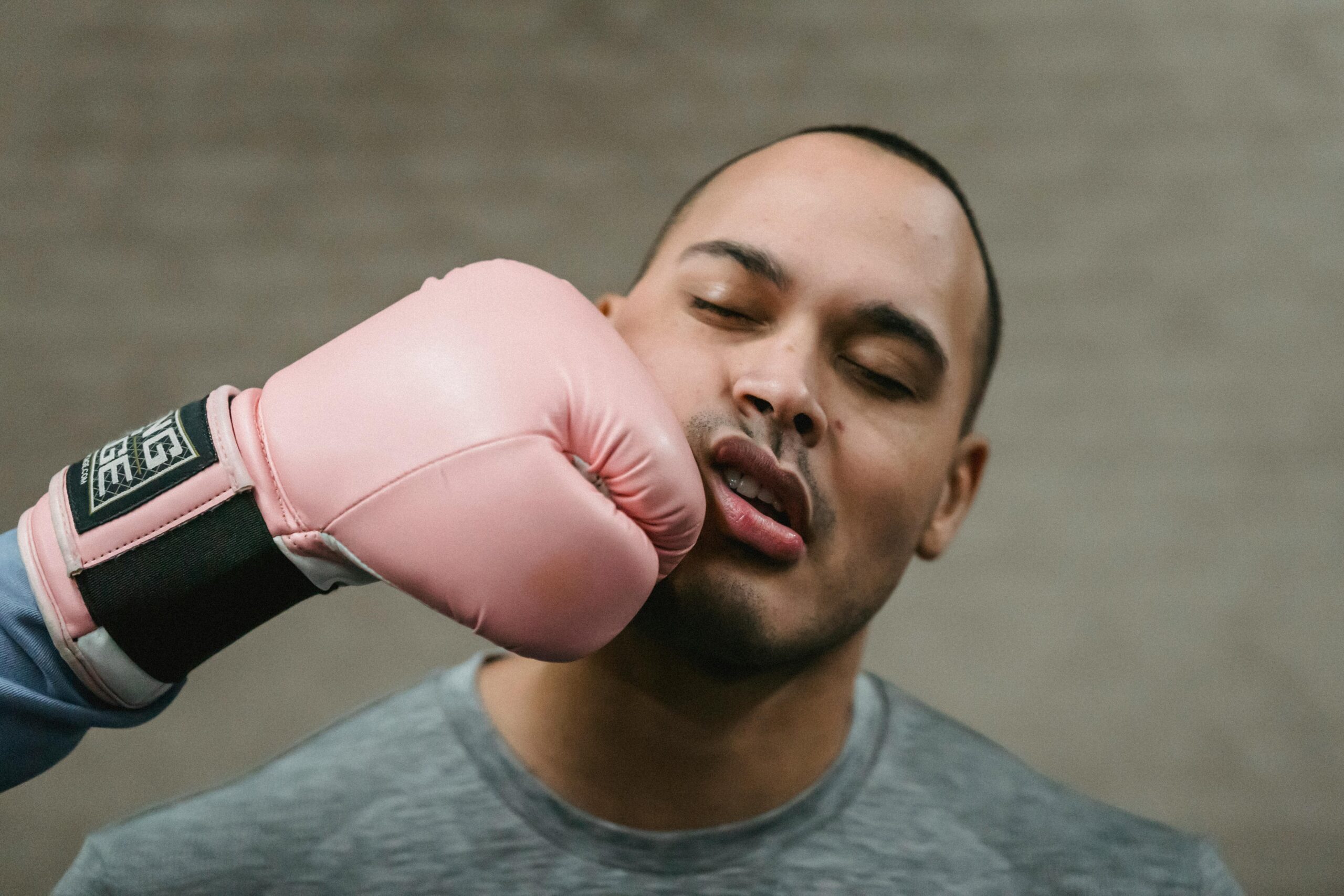
⚡ The Bottom Line: Your Reaction Time Reflects Your Sleep Health
Reaction time serves as a sensitive barometer of overall brain function, and sleep deprivation is one of the most potent and common factors that degrade it. The effects are measurable, significant, and consequential across virtually every domain of human performance.
The good news is that unlike many factors affecting performance, sleep is largely within your control. By prioritizing adequate, consistent, high-quality sleep, you protect your reaction time and all the cognitive functions that depend on it. Whether you’re concerned about safety, athletic performance, professional success, or simply functioning at your best, sleep provides the foundation.
Every hour of sleep you sacrifice carries a cost measured in slower reactions, impaired decisions, and increased errors. Conversely, every hour you invest in adequate sleep pays dividends in sharper performance, better safety, and enhanced quality of life. The choice, ultimately, is yours—but the evidence is clear: if you want to boost your reaction time, the most powerful intervention available is simply getting enough sleep.
Your brain evolved to require sleep, and no amount of willpower, caffeine, or determination can change this fundamental biological reality. Respect your sleep needs, and your reaction time—along with every other aspect of your performance—will thank you.
