
Reaction-time variability is emerging as one of the most powerful yet underestimated markers of human performance, cognitive health, and athletic potential in modern performance science.

🧠 Beyond Speed: Why Consistency Matters More Than You Think
When we think about reaction time, most people focus exclusively on speed—how quickly someone can respond to a stimulus. However, sports scientists, neuropsychologists, and performance coaches are increasingly recognizing that the variability in reaction time—the fluctuations in response speed across multiple trials—tells a far more compelling story about brain health, focus capacity, and overall performance readiness.
Reaction-time variability (RTV) measures the degree of inconsistency in how quickly we respond to repeated stimuli. While average reaction time shows us baseline speed, variability reveals the stability of our cognitive processing, the integrity of our neural networks, and our ability to maintain consistent performance under pressure.
Research published in neuropsychological journals demonstrates that higher variability often correlates with attention deficits, neurological conditions, fatigue states, and reduced cognitive reserve. Conversely, elite athletes and high performers typically exhibit remarkably low variability—their nervous systems fire with machine-like precision, trial after trial.
🎯 The Science Behind Reaction-Time Variability
Understanding RTV requires diving into how our brain processes information and generates motor responses. When a stimulus appears—whether it’s a starting gun, an opponent’s movement, or a visual cue—multiple brain regions must coordinate seamlessly.
The prefrontal cortex manages attention and decision-making, the parietal lobe processes sensory information, the motor cortex initiates movement, and the cerebellum fine-tunes timing and coordination. This complex orchestration happens in milliseconds, and any inconsistency in these neural pathways manifests as increased variability.
Neural Efficiency and Signal-to-Noise Ratio
Think of your brain as a communication network. In optimal conditions, signals travel cleanly from sensory input to motor output with minimal interference. However, when you’re fatigued, distracted, stressed, or dealing with underlying neurological issues, the “noise” in this system increases.
This neural noise creates inconsistency. Sometimes the signal gets through quickly; other times it faces delays or interference. This variability becomes a sensitive biomarker for the overall health and efficiency of your cognitive system—often more sensitive than average reaction time alone.
⚡ Why Elite Athletes Obsess Over Consistency
Professional sports teams and Olympic training centers have begun integrating RTV assessments into their performance monitoring protocols. The reason is simple: consistency separates good performers from great ones.
A sprinter with an average reaction time of 150 milliseconds but high variability (ranging from 120 to 180 ms) is unpredictable and prone to false starts. Another sprinter with a 160 ms average but low variability (155-165 ms) demonstrates superior neural control and reliability when it counts.
Baseball players, cricket batsmen, and tennis players all rely on split-second timing. The difference between hitting a fastball and missing it often comes down to consistency in neural processing—the ability to replicate optimal reaction patterns under varying conditions.
Training the Nervous System for Stability
Modern neuroscience reveals that RTV isn’t fixed—it’s trainable. Through specific interventions, athletes can reduce variability and improve performance reliability:
- Cognitive training protocols: Repeated exposure to reaction-time tasks under controlled conditions helps stabilize neural pathways.
- Sleep optimization: Consistent, quality sleep dramatically reduces day-to-day RTV fluctuations.
- Stress management: Chronic stress increases cortisol levels, which impairs neural consistency.
- Nutrition timing: Blood sugar fluctuations directly impact cognitive stability and reaction consistency.
- Neurofeedback training: Direct training of brainwave patterns associated with focused attention.
🔬 Clinical Applications: RTV as a Diagnostic Tool
Beyond athletics, reaction-time variability has emerged as a valuable clinical assessment tool. Neurologists and psychologists use RTV measurements to identify and monitor various conditions affecting brain function.
Attention-deficit/hyperactivity disorder (ADHD) shows one of the strongest correlations with increased RTV. Individuals with ADHD typically exhibit significantly greater inconsistency in reaction times compared to neurotypical populations—even when average speeds are similar. This makes RTV a potentially valuable diagnostic marker alongside traditional assessments.
Detecting Cognitive Decline and Neurological Conditions
Research indicates that increased RTV may serve as an early warning sign for cognitive decline, including the early stages of dementia and Alzheimer’s disease. As neural networks become compromised, the brain’s ability to maintain consistent processing speeds deteriorates before obvious memory or functional impairments emerge.
Parkinson’s disease, traumatic brain injury, and stroke recovery are also associated with characteristic patterns of increased variability. Monitoring RTV over time provides clinicians with objective data to track disease progression or recovery trajectories.
📱 Technology Enabling Personal Performance Tracking
The democratization of performance monitoring technology has made RTV assessment accessible beyond laboratory settings. Smartphone applications now offer sophisticated reaction-time testing that would have required specialized equipment just a decade ago.
These tools enable athletes, students, professionals, and health-conscious individuals to establish baseline measurements and track changes over time. By testing regularly—ideally at consistent times of day—users can identify patterns related to sleep quality, stress levels, training intensity, and recovery status.
When selecting a reaction-time assessment tool, look for applications that provide both average reaction time and variability metrics. The most useful platforms track performance trends, allow custom test protocols, and integrate with broader health and performance monitoring systems.
💡 Practical Strategies to Reduce Reaction-Time Variability
Improving RTV requires a holistic approach targeting the multiple factors that influence neural consistency. The following evidence-based strategies can help optimize your cognitive stability:
Optimize Your Sleep Architecture
Sleep quality directly impacts neural consistency. Research shows that even mild sleep restriction—reducing sleep by just one hour—significantly increases RTV the following day. Deep sleep stages are particularly crucial for neural restoration and the consolidation of motor learning.
Establish consistent sleep-wake times, create an optimal sleep environment (cool, dark, quiet), and aim for 7-9 hours nightly. Monitor how your RTV responds to sleep changes to identify your personal optimal sleep duration.
Master Your Pre-Performance Routine
Elite performers understand that consistency in preparation creates consistency in execution. Developing a standardized pre-performance routine—whether for athletic competition, important presentations, or cognitive work—primes your nervous system for stable output.
This routine might include specific warm-up movements, breathing exercises, visualization protocols, or cognitive priming activities. The key is replication: performing the same sequence signals to your brain that it’s time for focused, consistent performance.
Strategic Stimulant Management
Caffeine and other stimulants can improve average reaction time, but their effect on variability is more complex. Moderate doses consumed at consistent times may reduce RTV in habitual users, while excessive or inconsistent consumption often increases variability.
If you use caffeine strategically for performance, maintain consistent timing and dosage. Avoid the trap of escalating consumption, which leads to dependence and greater baseline variability when not supplemented.
🏆 Building a Personal Performance Dashboard
The most successful approach to leveraging RTV as a performance marker involves creating a comprehensive monitoring system that tracks multiple variables simultaneously. Think of yourself as a performance scientist studying an athlete—yourself.
| Metric Category | Specific Measures | Testing Frequency |
|---|---|---|
| Cognitive Performance | RTV, average reaction time, accuracy | Daily (morning) |
| Recovery Status | Sleep quality, HRV, subjective energy | Daily (upon waking) |
| Training Load | Volume, intensity, perceived exertion | Per session |
| Lifestyle Factors | Stress levels, nutrition quality, hydration | Daily |
By tracking RTV alongside other performance and lifestyle metrics, patterns emerge. You might discover that your variability increases significantly two days after high-intensity training, signaling incomplete recovery. Or that certain foods, stress events, or sleep disruptions have predictable impacts on your cognitive consistency.
🌟 The Future of Performance Optimization
As wearable technology continues advancing, real-time RTV monitoring may become commonplace. Imagine smart glasses that continuously assess your cognitive state through micro-tests integrated seamlessly into daily activities, providing feedback on your optimal windows for focused work, physical training, or important decisions.
Artificial intelligence algorithms will likely identify personalized patterns and provide increasingly sophisticated recommendations. Machine learning models could predict tomorrow’s performance based on today’s inputs, allowing for proactive adjustments to training, work schedules, and recovery protocols.
Precision Performance Medicine
The integration of genetic data, continuous physiological monitoring, and cognitive metrics like RTV represents the future of truly personalized performance optimization. Rather than following generic training programs or wellness recommendations, individuals will receive precisely calibrated interventions based on their unique biological profiles and real-time status.
This precision approach recognizes that optimal performance isn’t about pushing harder—it’s about understanding your system well enough to apply the right stimulus at the right time while maintaining the neural consistency that enables sustained excellence.
🎓 Implementing RTV Monitoring: A Practical Roadmap
Ready to start leveraging reaction-time variability as a performance tool? Follow this systematic approach to build an effective monitoring practice:
Week 1-2: Establish Baseline — Test your reaction time daily at the same time (ideally morning, after waking routine but before caffeine). Use a consistent protocol with at least 20-30 trials per session. Record both average reaction time and standard deviation (variability measure).
Week 3-4: Identify Patterns — Begin correlating your RTV data with other variables. Note sleep quality, stress events, training intensity, and any significant lifestyle factors. Look for relationships between these inputs and your cognitive consistency.
Week 5-8: Test Interventions — Based on your identified patterns, implement targeted changes. Perhaps earlier bedtimes, meditation practice, adjusted training volume, or nutritional modifications. Continue daily testing to assess impact.
Ongoing: Refine and Optimize — Use your accumulated data to continuously refine your approach. Your optimal performance formula is unique to you, and discovering it requires systematic experimentation guided by objective metrics.
🚀 From Measurement to Mastery
Reaction-time variability represents far more than an obscure neuropsychological metric—it’s a window into the fundamental consistency of your nervous system and a powerful predictor of performance capacity across domains.
Whether you’re an athlete seeking competitive advantage, a professional optimizing cognitive performance, or someone managing neurological health, understanding and monitoring your RTV provides actionable insights that generic assessments miss.
The beauty of this approach lies in its objectivity. While subjective feelings about focus, energy, or readiness can be unreliable, RTV measurements provide hard data about your true neurological state. This objective feedback creates a foundation for evidence-based optimization rather than guesswork.
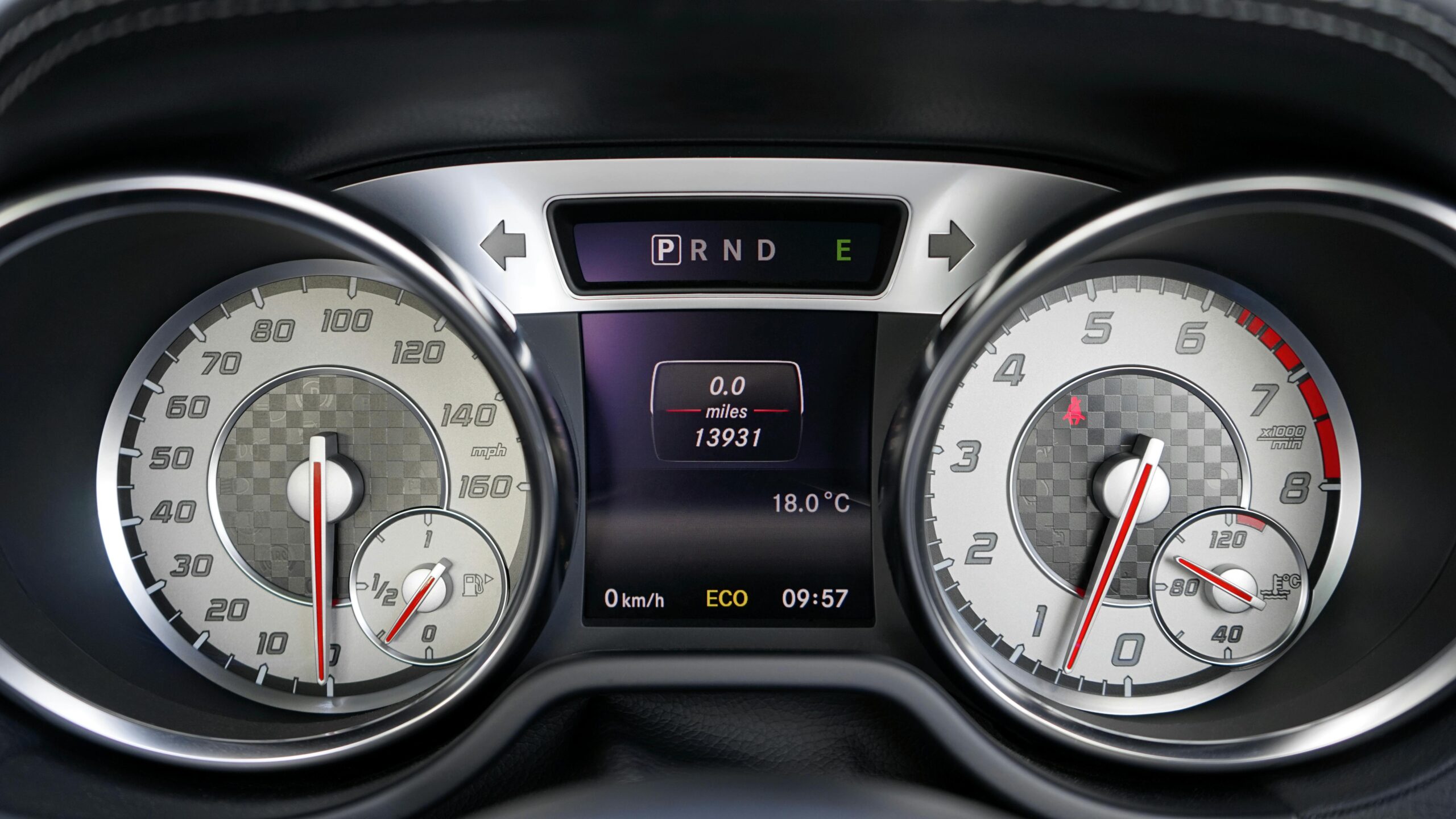
Start viewing yourself as a high-performance system requiring careful monitoring, maintenance, and optimization. Reaction-time variability serves as one of your dashboard’s most sensitive indicators—a check engine light that illuminates before obvious problems emerge and a performance gauge showing when your system is truly firing on all cylinders.
The path to peak performance isn’t about occasional heroic efforts; it’s about building the neural consistency that enables sustained excellence. By understanding, measuring, and optimizing your reaction-time variability, you’re investing in the fundamental stability that separates good performers from truly exceptional ones.
Your brain’s consistency is trainable, measurable, and improvable. The question isn’t whether you can enhance your reaction-time variability—it’s whether you’re willing to implement the systematic approach required to unlock this powerful performance marker’s full potential. The tools are available, the science is clear, and the benefits extend across every domain of human performance. Your journey toward greater neural consistency and peak performance begins with a single measurement.
