
Understanding when your audience is most receptive can transform your communication strategy from mediocre to exceptional, driving unprecedented levels of engagement and impact.

🎯 The Science Behind Attention Windows
Human attention operates in predictable patterns influenced by biological rhythms, psychological states, and environmental factors. The concept of peak attention windows refers to specific timeframes when individuals are neurologically primed to receive, process, and act upon information. Research in chronobiology demonstrates that our cognitive functions fluctuate throughout the day, creating natural peaks and valleys in our capacity to focus.
Studies from neuroscience reveal that the average human attention span has evolved dramatically over the past two decades. While some reports suggest it has decreased to mere seconds, the reality is more nuanced. Our brains have adapted to filter information more efficiently, making the timing of message delivery absolutely critical for breaking through the noise.
The reticular activating system in our brain acts as a gatekeeper, determining what information deserves conscious attention. When you align your communication with peak attention windows, you’re essentially speaking the brain’s language, ensuring your message passes through this critical filter with minimal resistance.
Morning Momentum: Capturing Fresh Mindshare
The early morning hours between 6:00 AM and 9:00 AM represent a golden window for certain types of content. During this period, cortisol levels peak naturally, enhancing alertness and information processing capabilities. People checking their devices first thing in the morning are often in a receptive state, eager for updates and new information.
However, this window comes with specific characteristics. Morning audiences tend to prefer:
- Concise, digestible content that respects their time constraints
- Motivational or educational material that sets a positive tone for the day
- News updates and industry insights relevant to their professional interests
- Actionable tips they can implement immediately
The morning window is particularly effective for email campaigns, social media posts targeting professionals, and content designed to inspire action. Business-to-business communications often achieve higher open rates when delivered during this timeframe, as decision-makers review their priorities before the day’s obligations consume their attention.
Midday Engagement: Navigating the Attention Dip
Between 11:00 AM and 2:00 PM, human attention experiences what researchers call the post-lunch dip. This phenomenon isn’t solely related to eating; it’s a natural circadian rhythm where alertness temporarily decreases. Understanding this period is crucial for timing strategy because it requires a different approach.
Rather than fighting against this biological reality, savvy communicators adapt their content to match the audience’s state. During midday hours, people are more likely to engage with:
- Light entertainment content that provides mental relief
- Visual media requiring less cognitive effort
- Quick polls, quizzes, or interactive elements
- Brief video content that can be consumed during breaks
This window represents an opportunity for brands to build rapport through more casual, approachable content. The midday period is when social media usage spikes as people take mental breaks, making it ideal for platforms like Instagram, Twitter, and TikTok where quick-scrolling behavior dominates.
⏰ Afternoon Revival: The Second Wind Strategy
Around 2:00 PM to 4:00 PM, many individuals experience a cognitive resurgence. This afternoon revival window coincides with a natural uptick in alertness and problem-solving capabilities. Research indicates that analytical thinking and creative problem-solving can actually peak during mid-to-late afternoon hours for many people.
This timeframe is particularly effective for content requiring deeper engagement, such as webinars, detailed blog posts, or product demonstrations. The afternoon audience is more willing to invest time in substantive content because they’ve typically completed their most urgent morning tasks and have mental bandwidth available.
For B2B marketers, scheduling important presentations, product launches, or strategic communications during this window can yield superior results. The afternoon revival period represents a sweet spot where attention capacity meets reduced urgency, creating ideal conditions for thoughtful consideration.
Evening Connection: Building Emotional Resonance
The hours between 6:00 PM and 9:00 PM represent perhaps the most valuable attention window for consumer-focused content. After work obligations conclude, people enter a more relaxed mental state, often seeking entertainment, inspiration, or connection. Evening engagement patterns differ significantly from daytime consumption.
During evening hours, emotional receptivity increases while analytical skepticism often decreases. This creates opportunities for content that builds brand affinity, tells compelling stories, or encourages aspirational thinking. Video content, in particular, thrives during evening hours when people have time for longer-form consumption.
Social media platforms experience their highest engagement rates during evening windows. People aren’t just scrolling; they’re actively commenting, sharing, and participating in discussions. This makes evening posting strategic for content designed to spark conversation or generate viral momentum.
📊 Platform-Specific Timing Strategies
Different platforms have unique user behavior patterns that influence optimal posting times. Understanding these platform-specific windows can dramatically improve your engagement metrics and overall impact.
Email marketing research consistently shows that Tuesday, Wednesday, and Thursday mornings generate the highest open rates. Sending emails between 8:00 AM and 10:00 AM on these days positions your message at the top of the inbox when recipients are most likely to engage. However, this varies by industry, with B2C businesses sometimes finding evening sends more effective.
LinkedIn operates on a professional rhythm, with peak engagement occurring Tuesday through Thursday during business hours. Posts published between 7:00 AM and 8:00 AM or around 12:00 PM tend to perform exceptionally well as professionals check the platform during commutes or lunch breaks.
Instagram and Facebook show different patterns, with engagement peaks typically occurring outside traditional work hours. Wednesday through Friday between 11:00 AM and 2:00 PM see strong performance, but evening hours from 7:00 PM to 9:00 PM often generate the most meaningful interactions.
Twitter’s fast-paced nature means multiple posting times work well, but Wednesday at 9:00 AM and Friday afternoons around 3:00 PM consistently show strong engagement. The platform’s real-time conversation focus means aligning with trending topics and current events can override general timing recommendations.
🧠 Psychological Triggers Within Time Windows
Beyond basic scheduling, understanding psychological states associated with different times enhances messaging effectiveness. The concept of “message-moment fit” suggests that content should align not just with when people are paying attention, but with their psychological needs at that particular moment.
Morning communications benefit from messages emphasizing productivity, achievement, and fresh starts. The psychology of new beginnings is powerful in early hours, making it ideal for promoting tools, courses, or initiatives requiring commitment and follow-through.
Midday messaging should acknowledge the need for relief and refreshment. Content offering quick wins, entertainment value, or simple pleasures resonates because it provides psychological respite from work demands. Humor, inspirational quotes, and lightweight content perform disproportionately well during these hours.
Evening content can leverage emotional connection and aspiration. People in relaxed states are more open to brand storytelling, testimonials, and content that appeals to their identity and values. This window is perfect for building long-term brand relationships rather than driving immediate transactions.
Weekend Wisdom: The Opportunity Most Overlook
Many marketers reduce activity during weekends, but this represents a missed opportunity. Weekend attention patterns differ fundamentally from weekdays, creating unique engagement possibilities for those willing to adapt their approach.
Saturday mornings attract people in a leisurely mindset, open to longer-form content, tutorials, and entertainment. This is when many individuals pursue personal interests and hobbies, making it ideal for content related to lifestyle, education, and self-improvement.
Sunday evenings carry a distinct psychological profile characterized by what researchers call “Sunday scarcity” – the awareness that weekend time is ending. Content offering planning tools, motivational messages, or solutions to common Monday challenges can resonate powerfully during this window.
🔄 Seasonal and Cultural Timing Considerations
Peak attention windows shift throughout the year based on seasonal patterns, holidays, and cultural events. A sophisticated timing strategy accounts for these cyclical variations rather than applying a one-size-fits-all approach year-round.
During summer months, evening engagement windows often extend later as people enjoy longer daylight hours and adjusted schedules. Conversely, winter months see earlier evening peaks as people settle into indoor activities sooner.
Holiday periods create entirely unique attention patterns. While some marketers avoid major holidays, strategic messaging that acknowledges and respects these occasions can actually generate exceptional engagement. The key lies in understanding the emotional context and adjusting both timing and messaging accordingly.
Cultural events like major sporting events, award shows, or significant news developments temporarily override normal attention patterns. Real-time marketing that capitalizes on these moments requires flexibility and monitoring rather than rigid scheduling.
Testing and Optimization: Your Personalized Timing Blueprint
While general patterns provide valuable guidance, your specific audience may demonstrate unique behaviors. Developing a personalized timing strategy through systematic testing ensures maximum effectiveness for your particular context.
Begin by establishing baseline metrics across different time windows. Post similar content at various times and carefully track engagement rates, click-throughs, conversions, and other relevant metrics. This empirical approach reveals patterns specific to your audience that generic advice cannot capture.
A/B testing different send times for email campaigns provides particularly clear data. Most email marketing platforms offer timing optimization features that can automatically identify when individual subscribers are most likely to engage, delivering messages at personalized optimal moments.
Social media analytics tools reveal when your specific followers are most active. Platforms like Facebook, Instagram, and Twitter provide native analytics showing follower activity patterns. Aligning your posting schedule with these audience-specific insights typically outperforms following general best practices.
📱 Mobile Behavior and Micro-Moments
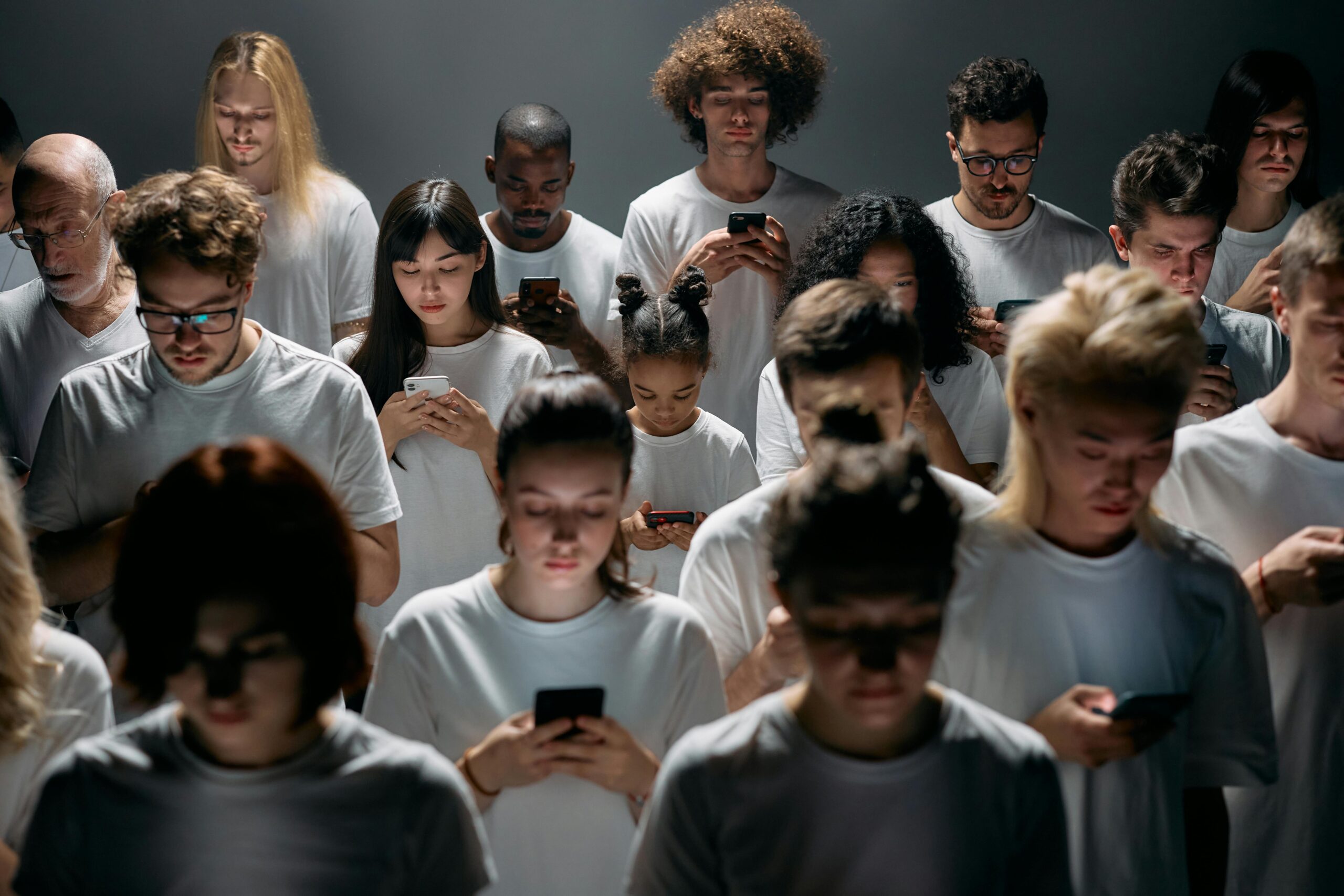
The dominance of mobile devices has introduced the concept of micro-moments – brief windows when people turn to their devices with specific intent. Understanding these moments adds another layer to timing strategy, focusing not just on when but on contextual why.
Morning commutes represent micro-moments when mobile engagement peaks. Content optimized for mobile consumption and requiring limited interaction performs exceptionally during these windows. News updates, podcasts, and quick-read articles align perfectly with commute behaviors.
Waiting moments throughout the day – in lines, between meetings, during transitions – create numerous micro-windows for content consumption. Bite-sized content designed for these interstitial moments can accumulate significant engagement throughout the day rather than relying on single peak windows.
The “second screen” phenomenon during evening hours presents unique opportunities. As people watch television or relax, they simultaneously engage with mobile devices, creating openings for content that complements their primary activity or provides additional value.
🚀 Automation Without Losing Authenticity
Leveraging optimal timing across multiple platforms and time zones seems overwhelming, but scheduling tools make sophisticated timing strategies manageable. The key lies in maintaining authenticity while benefiting from automation.
Scheduling platforms allow you to prepare content in advance and publish it during identified peak windows, even when you’re unavailable. This ensures consistency without requiring round-the-clock presence. However, successful automation includes monitoring and real-time engagement capabilities.
Buffer, Hootsuite, and Later are popular tools that combine scheduling capabilities with analytics, helping you refine timing strategies based on performance data. These platforms often include optimal timing recommendations based on your historical engagement patterns.
The critical balance involves using automation for distribution while remaining available for authentic interaction. When your carefully timed post generates engagement, real-time responses amplify the impact, creating momentum that extends the value of optimal timing.
International Audiences: Managing Multiple Time Zones
For brands with global audiences, timing complexity multiplies. Rather than compromising by posting at mediocre times for everyone, strategic approaches segment audiences and deliver optimized timing for each region.
Creating region-specific social media accounts or email lists allows tailored timing strategies. While this requires more management overhead, the engagement improvements typically justify the additional effort for significant international presence.
Alternatively, some content types transcend immediate timing constraints. Evergreen content optimized for search remains discoverable regardless of publication time, while algorithm-driven platforms like YouTube and Pinterest distribute content over extended periods, making precise timing less critical.
💡 The Compounding Effect of Consistent Optimal Timing
Perhaps the most powerful aspect of mastering timing isn’t any single post or message, but the compounding effect of consistently reaching your audience when they’re most receptive. Over time, this reliability builds habits and expectations that enhance your overall impact.
Audiences begin anticipating your content at specific times, actively seeking it out rather than passively encountering it. This transforms timing from a distribution tactic into a relationship-building strategy that cultivates loyalty and deeper engagement.
Algorithms on social platforms also reward consistency. When your content regularly generates engagement shortly after publication, algorithms interpret this as a quality signal, potentially giving your future posts preferential distribution. Optimal timing thus creates a virtuous cycle of improved visibility.
Measuring What Matters: Beyond Vanity Metrics
Effective timing strategies require measuring impact beyond superficial metrics. While likes and views provide initial feedback, deeper indicators reveal true engagement and ultimate impact.
Time-on-page metrics indicate whether audiences arriving at optimal moments are actually consuming your content. High traffic at peak times means little if visitors immediately bounce. Quality timing attracts not just attention but meaningful engagement.
Conversion rates contextualized by posting time reveal which windows generate not just awareness but action. Some times may drive traffic while others drive decisions. Understanding this distinction allows resource allocation toward timing windows that align with your primary objectives.
Comment quality and conversation depth provide qualitative measures of engagement. Posts published during optimal windows should generate not just more interactions but more thoughtful, substantial responses indicating genuine connection rather than superficial acknowledgment.
🎯 Your Action Plan for Timing Mastery
Implementing a sophisticated timing strategy doesn’t require overhauling your entire approach overnight. Start with these foundational steps to progressively refine your timing for maximum impact.
First, audit your current posting patterns and engagement data. Identify any existing correlations between timing and performance. This baseline assessment reveals low-hanging fruit – obvious timing improvements you can implement immediately.
Next, develop hypotheses about your audience’s attention patterns based on their demographics, behaviors, and your industry context. Create a testing calendar that systematically explores different timing windows while controlling for content variables.
Implement tracking systems that clearly attribute engagement to specific timing choices. Use UTM parameters for links, platform-specific analytics, and potentially dedicated timing analysis tools to gather comprehensive data.
Review and adjust monthly based on accumulated evidence. Timing optimization is iterative, requiring ongoing refinement as audience behaviors evolve and platforms change. Treat timing as a dynamic element of strategy rather than a static decision.
Finally, document your findings to build institutional knowledge. Create timing guidelines specific to your brand, audience, and objectives. Share these insights across your team to ensure consistency and continuous improvement in timing execution.
Mastering timing transforms content from randomly scattered messages into strategically positioned communication that reaches audiences when they’re neurologically, psychologically, and situationally primed to engage. This isn’t about manipulation but about respect – respecting your audience’s natural rhythms and delivering value when they’re most able to receive it. The difference between good content that goes unnoticed and great content that generates impact often comes down to this single variable: timing. By understanding attention windows, testing systematically, and refining continuously, you position yourself to maximize every piece of content you create, turning effort into exponential results through the simple but profound power of perfect timing.
