
Reaction time isn’t just about reflexes—it’s a fundamental skill that influences performance in sports, driving, gaming, professional tasks, and everyday decision-making situations.

🧠 Understanding the Science Behind Reaction Time
Reaction time represents the interval between perceiving a stimulus and initiating a response. This seemingly simple process involves complex neurological pathways where sensory organs detect information, nerves transmit signals to the brain, the brain processes this data, and finally motor neurons trigger appropriate muscular responses.
The average human reaction time ranges between 200-300 milliseconds for visual stimuli, though this varies significantly based on age, fitness level, fatigue, and practice. Auditory reactions typically occur faster than visual ones, averaging around 140-160 milliseconds, while tactile responses fall somewhere in between.
Neuroscientists distinguish between simple reaction time—responding to a single stimulus with a predetermined action—and complex reaction time, which involves choosing between multiple possible responses. Complex reactions naturally take longer due to the additional cognitive processing required.
⚡ Why Reaction Speed Matters Across Different Domains
In competitive sports, milliseconds separate champions from runners-up. Tennis players must react to serves traveling over 120 mph, baseball batters have approximately 400 milliseconds to decide whether to swing at a pitch, and sprinters can lose races by reacting 0.1 seconds slower to the starting gun.
Behind the wheel, reaction time literally saves lives. The average driver requires about 1.5 seconds to perceive danger, process information, and begin braking. At highway speeds, this translates to traveling significant distances before even starting to respond—making quick reactions essential for accident avoidance.
Professional gamers and esports athletes have elevated reaction training to an art form. Top-tier players consistently demonstrate reaction times below 180 milliseconds, providing competitive advantages in fast-paced games where split-second decisions determine victory or defeat.
The Workplace Advantage
Beyond physical performance, reaction time affects professional success. Air traffic controllers, surgeons, emergency responders, and military personnel rely on rapid information processing and decision-making. Even in conventional office environments, quickly adapting to changing priorities and responding efficiently to communications enhances productivity and career advancement.
🏋️ Training Techniques That Actually Improve Reaction Speed
Contrary to popular belief, reaction time isn’t entirely predetermined by genetics. Targeted training can produce measurable improvements through neuroplasticity—the brain’s ability to form new neural connections and optimize existing pathways.
Specific drills designed to challenge your stimulus-response system create adaptation over time. Consistency matters more than intensity; regular practice sessions of 15-20 minutes produce better results than occasional marathon training sessions.
Physical Exercise and Cognitive Benefits
Cardiovascular exercise doesn’t just strengthen your heart—it enhances cognitive processing speed. Studies demonstrate that individuals maintaining regular aerobic fitness routines exhibit faster reaction times than sedentary counterparts. Exercise increases blood flow to the brain, promotes neurogenesis, and improves overall neural efficiency.
Coordination exercises that challenge hand-eye synchronization prove particularly effective. Activities like juggling, racquet sports, martial arts, and dance require constant real-time adjustments, naturally training your nervous system to process and respond more efficiently.
Digital Training Tools
Modern technology offers convenient ways to measure and improve reaction capabilities. Specialized applications provide scientifically-designed exercises targeting different aspects of reaction performance, from simple visual responses to complex decision-making scenarios.
These training applications typically feature progressive difficulty levels, performance tracking, and varied stimulus types to prevent adaptation plateaus. Regular testing establishes baselines and documents improvement over time, providing motivation through tangible progress metrics.
🎯 Factors That Slow Your Reactions Down
Understanding what impairs reaction time helps identify opportunities for improvement. Many common lifestyle factors create measurable delays in stimulus-response cycles.
Sleep Deprivation’s Devastating Impact
Insufficient sleep ranks among the most significant reaction time inhibitors. Research indicates that staying awake for 18 consecutive hours produces impairment equivalent to a blood alcohol concentration of 0.05%. After 24 hours without sleep, impairment matches 0.10% BAC—legally intoxicated in most jurisdictions.
Even moderate sleep restriction accumulates cognitive debt. Consistently sleeping 6 hours nightly for two weeks produces performance deficits equivalent to going without sleep for 48 straight hours, though subjects often fail to recognize their impairment.
Nutritional Considerations
Brain function depends on adequate glucose availability and proper hydration. Dehydration of just 2% body weight measurably slows cognitive processing. Blood sugar fluctuations from irregular eating patterns or high-glycemic diets create energy crashes that impair neural efficiency.
Certain nutrients specifically support nervous system function. Omega-3 fatty acids, B-vitamins, magnesium, and antioxidants contribute to optimal neural communication. While supplements shouldn’t replace balanced nutrition, addressing deficiencies can restore optimal reaction capabilities.
Age-Related Changes
Reaction time naturally declines with age, typically beginning around age 24 and continuing gradually thereafter. This decline reflects multiple factors including reduced neural processing speed, decreased muscle responsiveness, and longer nerve signal transmission times.
However, active individuals demonstrate significantly slower deterioration rates than sedentary ones. Regular physical and cognitive challenges help maintain reaction speeds well beyond what passive aging would predict.
🚗 Practical Applications for Safer Driving
Automotive safety depends critically on driver reaction capabilities. Understanding and optimizing your response speed reduces accident risk substantially.
The “two-second rule” for following distance assumes average reaction times under ideal conditions. However, distractions, fatigue, or impairment easily double actual response times, making greater spacing prudent. Defensive drivers maintain three-second gaps minimum, increasing this during adverse conditions.
Anticipatory driving techniques compensate for human reaction limitations. Scanning ahead identifies potential hazards before they become emergencies, providing extra processing time. Maintaining awareness of escape routes and surrounding traffic creates decision-making advantages when quick responses become necessary.
Distraction Elimination Strategies
Modern vehicles contain countless attention competitors. Phone notifications, navigation systems, entertainment controls, and passenger conversations all divide cognitive resources needed for rapid hazard detection and response.
Research demonstrates that hands-free phone conversations produce reaction delays comparable to handheld device use. The cognitive distraction—not just physical manipulation—creates dangerous processing delays. Dedicated driving without multitasking significantly improves reaction readiness.
🎮 Gaming Performance Enhancement Through Reaction Mastery
Competitive gaming demands exceptional reaction speeds. Professional esports athletes train reaction capabilities as rigorously as traditional athletes develop physical skills.
First-person shooters particularly reward quick target acquisition and trigger responses. Players with sub-200-millisecond reaction times gain enormous advantages in firefight situations. Fighting games similarly depend on recognizing opponent moves and executing counters within narrow timing windows.
Strategic positioning reduces reaction demands. Skilled players minimize situations requiring maximum-speed responses by maintaining advantageous positions, controlling engagement timing, and predicting opponent actions. Superior game sense compensates for reaction limitations.
Equipment Optimization
Hardware choices significantly impact effective reaction time. Display input lag, mouse sensor responsiveness, and keyboard actuation speeds all add milliseconds to the complete stimulus-response chain. Competitive players invest in low-latency equipment to eliminate technological bottlenecks.
Monitor refresh rates deserve particular attention. Standard 60Hz displays introduce up to 16.7 milliseconds latency compared to 144Hz or 240Hz gaming monitors. While this seems minimal, elite performance levels make such differences meaningful.
⚽ Athletic Performance Optimization
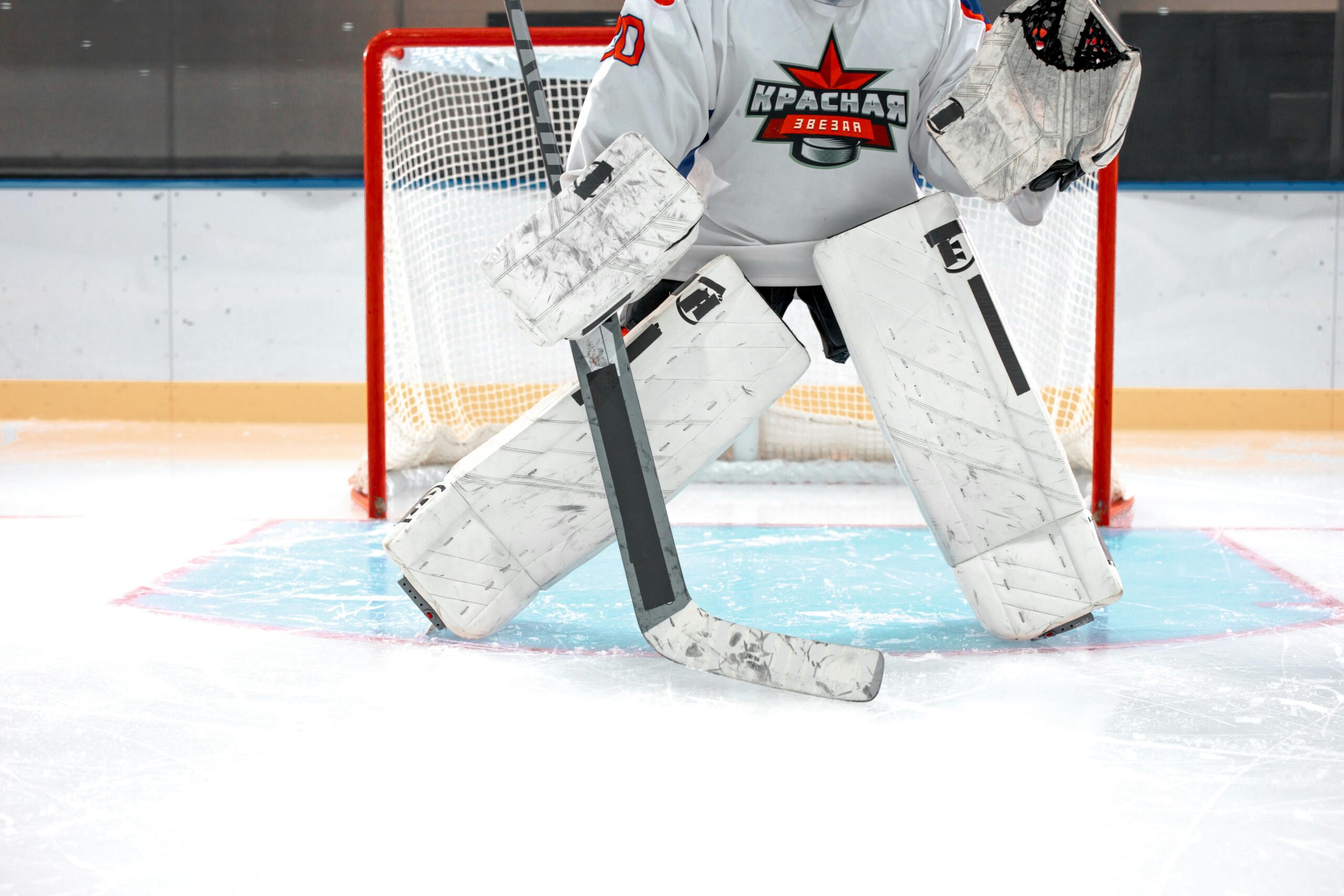
Sport-specific reaction training produces superior results compared to generic exercises. Basketball players benefit from peripheral vision drills recognizing passing opportunities, while soccer goalkeepers improve through unpredictable shot-blocking scenarios.
Plyometric exercises enhance explosive power while simultaneously training rapid muscle activation—the motor component of reaction chains. Box jumps, medicine ball throws, and agility ladder drills develop neuromuscular efficiency that translates to faster on-field responses.
Anticipation Training
Elite athletes don’t just react faster—they recognize patterns enabling prediction. Tennis players read opponent body language to anticipate serve direction. Baseball batters identify pitch types from release points and spin characteristics.
This anticipatory skill develops through extensive exposure to game situations. Video analysis helps players consciously identify subtle cues their subconscious already recognizes, accelerating this learning process.
🧘 Mental Preparation and Focus Techniques
Psychological state profoundly influences reaction capabilities. Anxiety and stress produce physiological changes that impair processing speed, while optimal arousal levels enhance performance.
The inverted-U hypothesis suggests performance peaks at moderate arousal levels. Too little activation produces sluggish responses, while excessive stress triggers tunnel vision and processing delays. Finding your optimal activation zone maximizes reaction readiness.
Mindfulness and Present-Moment Awareness
Meditation practices improve attentional control and reduce mental noise competing for cognitive resources. Regular mindfulness training enhances ability to maintain focus on relevant stimuli while filtering distractions.
Breathing techniques provide portable tools for arousal regulation. Controlled breathing patterns quickly shift nervous system balance, either increasing alertness when needed or reducing excessive tension that impairs performance.
📊 Measuring Your Progress Effectively
Consistent testing provides objective feedback about training effectiveness. Establishing baseline measurements before beginning improvement programs allows tracking actual gains versus subjective impressions.
Testing conditions significantly affect results. Time of day, fatigue levels, caffeine intake, and environmental distractions all influence scores. Standardizing test conditions improves measurement reliability and makes progress comparisons meaningful.
| Performance Level | Visual Reaction Time | Typical Population |
|---|---|---|
| Excellent | < 200ms | Elite athletes, professional gamers |
| Above Average | 200-220ms | Active individuals, recreational athletes |
| Average | 220-280ms | General population |
| Below Average | 280-320ms | Sedentary individuals, sleep-deprived |
| Concerning | > 320ms | Significant impairment present |
Realistic Improvement Expectations
Most individuals can improve reaction times by 10-20% through dedicated training over 8-12 weeks. Genetic factors establish ultimate ceilings, but most people operate well below their potential without specific practice.
Improvements occur fastest initially, with gains gradually plateauing as you approach individual limits. Maintenance training prevents backsliding once desired levels are achieved.
💡 Lifestyle Optimizations for Peak Neural Performance
Beyond specific training exercises, comprehensive lifestyle approaches support optimal nervous system function and reaction capabilities.
Caffeine’s Complex Relationship
Moderate caffeine consumption temporarily enhances reaction speed by increasing alertness and reducing fatigue perception. Studies show 40-300mg caffeine produces measurable improvements in simple and complex reaction tasks.
However, excessive intake creates jitteriness that impairs fine motor control, while regular consumption builds tolerance reducing benefits. Strategic caffeine timing—using it specifically before performance demands rather than continuous consumption—maximizes advantages while minimizing tolerance development.
Stress Management Strategies
Chronic stress elevates cortisol levels that impair hippocampal function and slow cognitive processing. Effective stress management isn’t optional luxury—it’s performance necessity.
Regular physical activity, adequate sleep, social connections, and purposeful relaxation practices all contribute to stress resilience. Identifying personal stress triggers and developing coping mechanisms prevents performance-degrading stress accumulation.
🔬 Cutting-Edge Research and Future Directions
Neuroscience continues revealing new insights about reaction speed mechanisms and enhancement possibilities. Transcranial direct current stimulation shows promise for temporarily enhancing reaction times, though practical applications remain experimental.
Virtual reality training environments create immersive scenarios impossible in physical space, allowing repetitive practice of dangerous or rare situations. Emergency responders and military personnel increasingly use VR systems for reaction training in simulated high-stakes environments.
Genetic research identifies specific variations associated with faster or slower reaction capabilities. While genetic engineering remains far future, understanding hereditary factors helps set realistic expectations and identify compensatory strategies.
🎯 Creating Your Personal Reaction Enhancement Program
Effective improvement requires structured approaches rather than random practice. Begin with baseline testing to establish current capabilities across different reaction types—simple visual, complex choice, auditory, and sport-specific if applicable.
Design weekly training schedules incorporating variety. Alternate between physical coordination exercises, digital training applications, sport-specific drills, and cognitive challenges. Progressive overload principles apply—gradually increase difficulty as adaptations occur.
Track both objective measurements and subjective performance in real-world applications. Improved test scores matter less than actual enhancement in driving safety, athletic performance, or professional tasks.
Long-Term Consistency Over Short-Term Intensity
Sustainable improvement comes from moderate daily practice rather than occasional intense sessions. Fifteen minutes daily produces better neuroplastic adaptations than weekly hour-long workouts.
Building habit systems ensures consistency. Linking reaction training to existing routines—practicing immediately after morning coffee or before evening gaming sessions—leverages habit stacking for adherence.
🌟 Beyond Speed: Complete Performance Enhancement
While faster reactions provide advantages, complete performance requires integrating speed with accuracy, decision quality, and situational awareness. Pure speed without appropriate response selection creates dangerous mistakes.
Balanced training develops both reactive speed and cognitive efficiency. Pattern recognition, strategic thinking, and experience combine with quick reflexes producing superior real-world outcomes compared to reaction speed alone.
The most successful athletes, drivers, gamers, and professionals don’t just react fastest—they position themselves requiring fewer maximum-speed reactions while executing necessary responses with exceptional efficiency. This holistic approach represents true mastery where reaction time becomes one component of complete situational dominance.
Mastering reaction time opens possibilities across every performance domain. Whether pursuing athletic excellence, professional advancement, gaming achievement, or simply safer daily navigation, enhanced stimulus-response capabilities provide measurable advantages. The combination of targeted training, lifestyle optimization, and consistent practice allows anyone to significantly improve beyond baseline capabilities, unlocking potential that genetic endowment alone never determines.
