
Understanding and managing cognitive load is essential for productivity, learning, and mental well-being. This guide reveals practical methods to measure mental effort using simple, accessible techniques.

🧠 What Cognitive Load Really Means in Daily Life
Cognitive load refers to the amount of mental resources your brain uses when processing information, solving problems, or learning new skills. Think of your working memory as a computer’s RAM—it has limited capacity, and when you overload it, performance deteriorates significantly.
The concept originated from educational psychology research by John Sweller in the 1980s, but its applications extend far beyond classroom settings. Today, knowledge workers, students, creative professionals, and anyone managing complex tasks can benefit from understanding how mental effort accumulates throughout the day.
There are three primary types of cognitive load: intrinsic load (the inherent difficulty of the task), extraneous load (unnecessary mental effort from poor design or presentation), and germane load (productive effort that helps you learn and improve). Balancing these three types determines whether you’re working efficiently or burning mental energy wastefully.
Why Measuring Mental Effort Matters More Than Ever
In our hyperconnected world, cognitive overload has become the silent productivity killer. Research shows that knowledge workers switch tasks every three minutes on average, with each interruption creating additional mental taxation that compounds throughout the day.
When you don’t monitor cognitive load, several problems emerge: decreased decision quality as the day progresses, increased errors and oversights, difficulty retaining information, emotional exhaustion, and ultimately burnout. Understanding your mental capacity helps you structure work strategically rather than reactively.
The business case is compelling too. Studies indicate that cognitive overload costs organizations billions annually through reduced productivity, increased errors, and employee turnover. On an individual level, managing mental effort effectively can mean the difference between thriving and merely surviving in demanding environments.
🔍 The Self-Assessment Method: Your Built-In Measurement Tool
Your subjective experience provides surprisingly accurate cognitive load data when you know how to interpret it. The NASA Task Load Index (NASA-TLX), developed for astronauts but applicable to anyone, offers a framework for self-assessment across six dimensions.
Mental demand measures how much thinking, deciding, calculating, and remembering a task requires. Physical demand accounts for bodily effort (relevant even for desk work). Temporal demand reflects time pressure and pacing. Performance captures your satisfaction with accomplishment. Effort represents how hard you worked to achieve your performance level. Frustration encompasses stress, irritation, and discouragement.
To apply this method practically, pause every 90 minutes during your workday. Rate each dimension on a scale from 0-10. Track these scores in a simple spreadsheet or notebook. After one week, patterns will emerge showing which tasks or times of day create the highest cognitive load.
Creating Your Personal Cognitive Load Scale
Develop a personalized rating system that resonates with your experience. Some people prefer numerical scales, while others respond better to descriptive categories like “effortless,” “manageable,” “challenging,” “overwhelming,” and “unsustainable.”
The key is consistency. Use the same scale and check-in intervals for at least two weeks before adjusting your approach. Your brain adapts quickly to self-monitoring, making the process faster and more accurate over time.
Behavioral Indicators That Signal High Cognitive Load
Your body and behavior reveal cognitive strain before conscious awareness catches up. Learning to recognize these signals enables proactive intervention rather than reactive crisis management.
Physical indicators include increased eye strain and blinking, tension in shoulders and jaw, changes in breathing patterns (often becoming shallow), decreased posture quality, and increased fidgeting or restlessness. When you notice two or more simultaneously, cognitive load is likely approaching problematic levels.
Performance markers are equally telling. Re-reading the same sentence multiple times signals working memory saturation. Increased typos and errors indicate declining executive function. Decision paralysis over simple choices suggests decision fatigue. Irritability with minor interruptions reveals reduced emotional regulation capacity.
Time perception shifts dramatically under cognitive load. Tasks feel like they’re taking longer than they actually are. Alternatively, you might experience “time blindness,” losing track of hours while hyperfocused but feeling mentally depleted afterward.
⏱️ The Time-Tracking Proxy Method
Time investments correlate strongly with cognitive load, making time tracking a practical indirect measurement tool. However, the relationship isn’t linear—thirty minutes of deep analytical work consumes more mental energy than three hours of routine email processing.
Implement weighted time tracking by categorizing tasks into cognitive intensity levels. Deep analytical work (strategy, complex problem-solving, learning new concepts) might receive a 3x multiplier. Moderate focus tasks (writing, planning, detailed communication) earn a 2x multiplier. Routine activities (email, filing, simple data entry) maintain a 1x baseline.
For example, if you spend two hours on strategic planning (deep work), four hours on writing and meetings (moderate), and two hours on email (routine), your cognitive load calculation would be: (2×3) + (4×2) + (2×1) = 16 cognitive load units for that day.
Track this number daily for two weeks to establish your personal sustainable threshold. Most people discover their ceiling falls between 12-18 units per day, depending on individual capacity and current stress levels.
Using Technology You Already Have
Your smartphone and computer contain powerful cognitive load estimation tools without requiring specialized software purchases. Screen time analytics reveal task-switching frequency—a primary contributor to extraneous cognitive load.
Review your screen time reports weekly. Count how many different applications you used and how frequently you switched between them. Higher switching frequency indicates greater cognitive load from context shifting. Aim to reduce daily app switches by 20% through batching similar activities.
Browser tab count serves as another indicator. Research suggests that maintaining more than seven open tabs significantly increases mental load as your brain subconsciously tracks all potential attentional targets. Experiment with tab management strategies like the “one task, one window” approach or dedicated session-based browsing.
Calendar analysis reveals load patterns too. Meetings create substantial cognitive overhead beyond their scheduled duration due to preparation time and context switching. Count your weekly meetings and estimate 15 additional minutes of cognitive load per meeting for transitions. Four daily meetings actually consume five hours of cognitive capacity, not just the scheduled three hours.
📊 The Cognitive Load Diary Technique
Structured journaling transforms subjective experience into objective data over time. Unlike traditional journaling, cognitive load diaries focus specifically on mental effort patterns with consistent daily entries.
Each evening, spend five minutes recording: your three most mentally demanding activities, subjective energy level at morning, midday, and evening (1-10 scale), number of times you felt overwhelmed or confused, quality of focus during different time blocks, and any external factors affecting mental state (sleep, nutrition, stress).
After two weeks, review entries to identify patterns. You might discover that meetings before 10 AM deplete your cognitive resources more than afternoon sessions, or that certain task combinations create unexpected mental strain. These insights enable strategic schedule restructuring.
The diary method works especially well when combined with other techniques. Cross-reference your subjective ratings with behavioral indicators or time-tracking data to validate findings and refine your self-awareness.
The Pomodoro Analysis Approach
The Pomodoro Technique—working in focused 25-minute intervals with 5-minute breaks—provides natural measurement points for cognitive load assessment. Rather than using it merely as a productivity method, transform it into a measurement tool.
After each Pomodoro session, quickly rate how difficult maintaining focus felt (1-5 scale). Track how many Pomodoros you can complete before focus deteriorates noticeably. Most people manage 6-8 quality Pomodoros daily, equivalent to 3-4 hours of deep cognitive work.
Notice which tasks allow you to complete multiple consecutive Pomodoros versus those requiring breaks after each session. Tasks demanding frequent breaks indicate higher intrinsic cognitive load and should be scheduled during your peak mental energy periods.
The break intervals themselves provide measurement opportunities. If you need significantly longer than five minutes to feel ready for the next session, the previous task likely exceeded your optimal cognitive load threshold.
🎯 Task Difficulty Matrices for Load Prediction
Prospective cognitive load estimation helps you plan realistic daily schedules rather than consistently overcommitting. Creating a personal task difficulty matrix categorizes common activities by mental effort requirements.
Build your matrix by listing 20-30 tasks you perform regularly. For each task, estimate the cognitive load based on past experience using factors like required concentration depth, need for creative thinking, amount of new information, decision complexity, and potential for interruption vulnerability.
Assign each task a cognitive load score from 1-5. Financial analysis might rate 5, while routine invoice processing rates 2. Email triage might be 2, but composing sensitive communications could be 4. Over time, this matrix becomes increasingly accurate and useful for daily planning.
When scheduling your day, aim for a balanced cognitive load distribution. Avoid clustering multiple high-load tasks without adequate recovery time. Alternate demanding work with moderate or low-load activities to maintain sustainable mental energy throughout the day.
Recovery Rate Monitoring
Understanding your cognitive recovery patterns is as important as measuring load itself. Different people and activities require varying recuperation times, and tracking these patterns optimizes your schedule structure.
After completing a mentally demanding task, note how long before you feel capable of similar-intensity work. This recovery period reveals your cognitive resilience and helps establish realistic task spacing. Some people recover quickly with a 10-minute break, while others need 30-60 minutes between demanding activities.
Recovery effectiveness varies by activity type. Brief walks, meditation, physical movement, casual conversation, and creative play typically enhance recovery better than scrolling social media or watching videos, despite the latter feeling easier in the moment.
Track your morning baseline mental energy upon waking (1-10 scale). This number reflects overnight cognitive recovery and cumulative load from previous days. Declining baseline scores across several days signal insufficient recovery and impending burnout risk.
💡 Environmental Load Factors
Your physical and digital environment contributes significantly to total cognitive load, often invisibly. Background noise, visual clutter, temperature, lighting, and air quality all consume mental resources that could otherwise support productive work.
Conduct a weekly environment audit. Rate your workspace on factors including noise level control, visual organization, lighting adequacy, temperature comfort, and digital distraction presence. Each suboptimal factor adds approximately 5-10% to task-specific cognitive load.
Experiment with environmental modifications and measure impact. Many people discover that noise-canceling headphones, desk organization, or improved lighting reduces subjective task difficulty by 20-30% without changing the work itself. This reduction in extraneous load frees capacity for intrinsic and germane load.
Digital environment matters equally. Notification frequency directly correlates with cognitive load increases. Audit how many notifications you receive hourly across all devices. Each notification creates a micro-interruption costing 23 minutes of focus recovery time according to UC Irvine research, even if you don’t respond immediately.
The Collaborative Load Assessment Method
When working with teams, collective cognitive load management improves group performance significantly. Implement brief check-ins where team members share current mental capacity using simple signals: green (capacity available), yellow (at capacity), or red (overloaded).
These status updates take seconds but prevent overallocation of tasks to already-maxed individuals. They also create psychological safety around admitting cognitive limitations—a critical factor in sustainable high performance.
For collaborative tasks, assess not just individual load but interaction overhead. Each additional person in a meeting or project exponentially increases communication complexity and associated cognitive demands. The formula is n(n-1)/2, where n equals participants. Five people create 10 connection pathways; ten people create 45.
🔄 Building Your Personal Cognitive Load Dashboard
Integrate multiple measurement methods into a simple tracking system you’ll actually use consistently. Complexity kills adherence, so start minimal and add elements only when they provide clear value.
A basic dashboard might include: daily cognitive load units (using weighted time tracking), subjective energy rating (morning and evening), number of high-load tasks completed, quality Pomodoros achieved, and recovery adequacy rating. Track these five metrics in a simple spreadsheet or note-taking app.
Review weekly to identify patterns and adjust strategies. Monthly reviews reveal longer-term trends and seasonal variations. Most people discover their cognitive capacity fluctuates with sleep quality, stress levels, physical activity, and other lifestyle factors—information that enables proactive management.
The goal isn’t perfect measurement but sufficient awareness to make better decisions about task scheduling, capacity communication, and rest requirements. Even rough estimates dramatically improve upon the default approach of ignoring cognitive load until burnout forces acknowledgment.
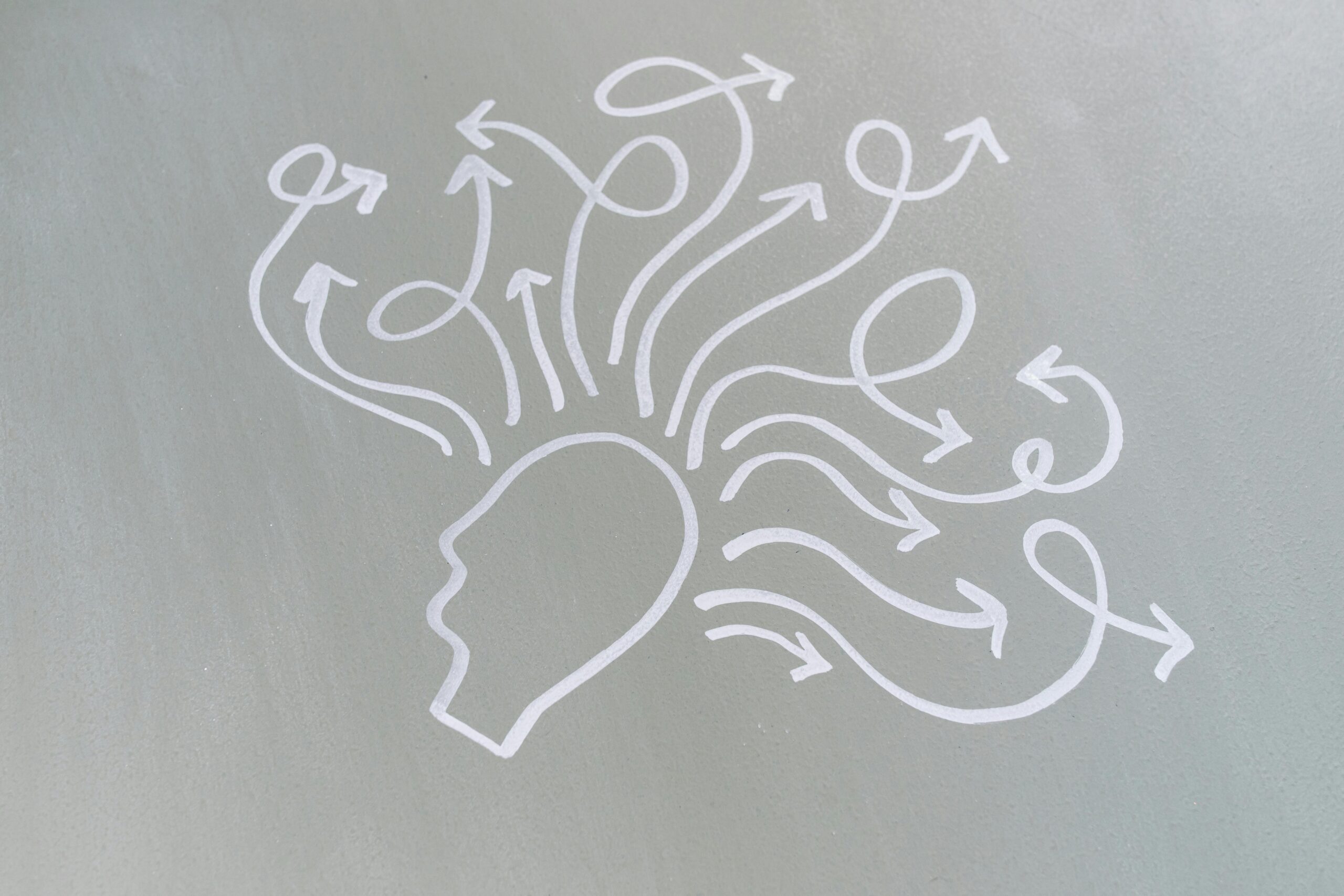
Turning Insights Into Action
Measurement without response creates frustration rather than improvement. Once you understand your cognitive load patterns, implement strategic changes based on your specific findings.
If morning hours show consistently higher capacity, protect that time fiercely for your most demanding work. If certain task combinations create unexpected strain, restructure how you sequence activities. If recovery takes longer than expected, build explicit buffer time into your schedule rather than perpetually running behind.
Start with one adjustment at a time and measure impact for two weeks before adding another change. This disciplined approach reveals what actually works for you rather than adopting productivity advice that may not match your cognitive patterns.
Remember that cognitive load management is dynamic, not static. Your capacity changes with life circumstances, project demands, and personal development. Revisit your measurement practices quarterly to ensure they still serve your evolving needs and work contexts.
Mastering cognitive load without expensive tools is entirely achievable through consistent self-observation, simple tracking methods, and strategic response to patterns you discover. The investment of a few minutes daily yields substantial returns in productivity, well-being, and sustainable high performance across all areas of life.
